

In the world of family offices, the real frontier is no longer just that of returns or risks to be contained. It is that of needs to be understood.
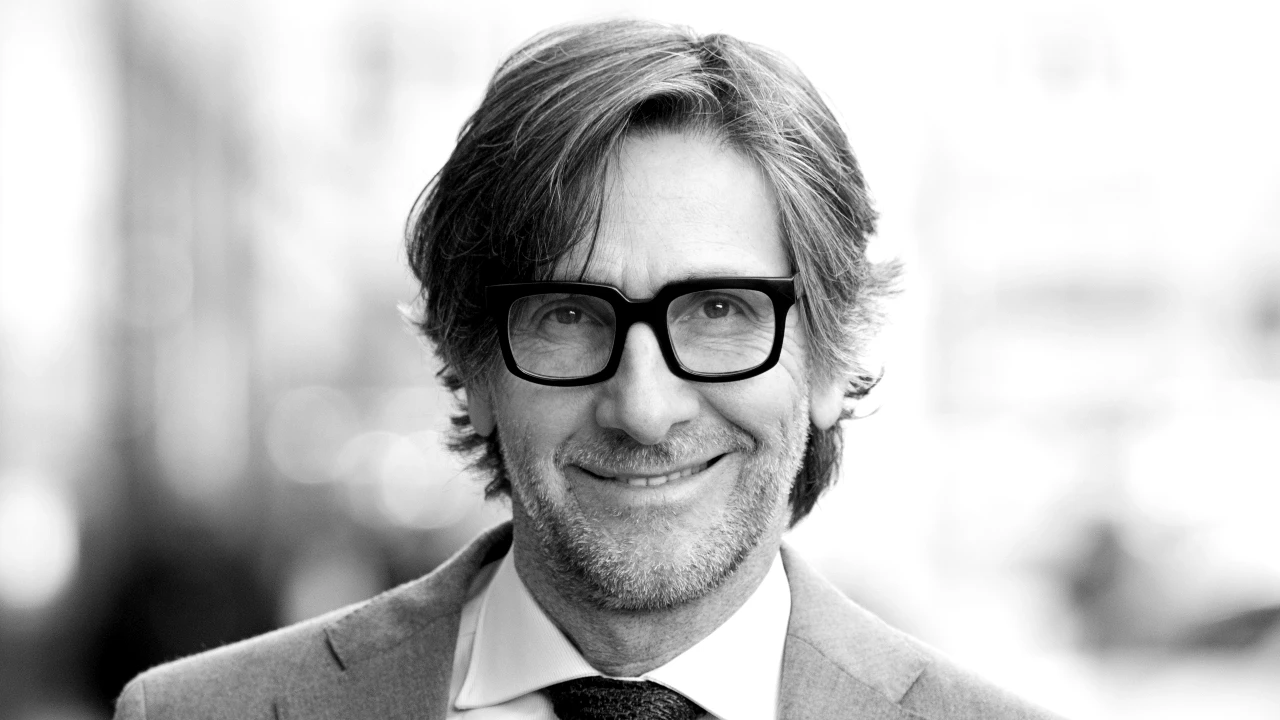
This is pointed out by Luca Tartaglia, Head of Traditional Investments at SQ Invest, a single family office in Genoa, who, after more than twenty years in family wealth management, invites us to rethink the rules of asset allocation: starting with people, not numbers.
From risk to need
The starting point remains discipline. “Family offices work on a long-term model, rigorously defining the risk profile and return expectations,” he says. But experience teaches us that numbers are not enough.
“This approach alone does not capture the real complexity of families. Because behind every portfolio there are people, stories, legacies, emotions.” This is where financial planning comes into play: a method that intertwines financial planning with portfolio construction.
“It means moving from a single portfolio, built on a single risk profile, to many portfolios dedicated to individual objectives, reflecting primary and secondary needs, which then converge into a single overall asset allocation.”
A paradigm shift that transforms the portfolio into a dynamic map of family life.
From Markowitz’s theory to real life
Markowitz’s classic theory assumes constant risk over time. But life, Tartaglia observes, “is not a linear curve.” People change, and with them, their perception of risk changes.
“During the 2008 crisis or in the months of Covid, I saw how emotions can influence decisions. Behavioral biases are silent enemies: they make you leave when you should stay, they make you stay when you should reduce.“ For this reason, building portfolios for objectives such as retirement, education, philanthropy, and new business projects helps to stay on course. ”When a client has a clear goal, it is easier to help them weather market storms. The time horizon ceases to be an abstract concept and becomes part of their life.“ One aspect that is often overlooked, he adds, is human capital. ”It is an asset in its own right, which can grow or shrink over time. If your career or business evolves positively, your human capital increases and you can review your planning with greater flexibility.”
Purpose as a compass
Integrating asset allocation with financial planning also means restoring a deeper meaning to wealth. “Every investment should serve a purpose ,” he explains, “a reason for use that goes beyond financial return. It can be philanthropic or linked to a family mission, but it serves to preserve the family’s identity over time.” This is a crucial issue, especially when a family office is created after a liquidity event. “The sale of the family business often brings with it an identity void. In these cases, purpose is what restores coherence to the family history: it transforms capital into continuity.”
The complexity behind simplicity
Despite the clarity of the model, putting it into practice is not easy. It requires trust, transparency, and dialogue. “To build a truly personalized plan, you need a lot of information, often confidential, about the different family members. It is a tailor-made job that combines technical skills and interpersonal skills.“ And you need to take a broad view: ”When it comes to planning, net after-tax return becomes fundamental. Even passive management, with less turnover and capital gains, can be more efficient over time. In this sense, taxation is an integral part of the strategy.”
Article taken from the December issue of Family Office & Family Business. Subscribe here to read the magazine in print or digital format.