
In 2023, more than 120,000 High Net Worth Individuals (HNWIs) worldwide relocated their residence — around 10% more than in the pre-COVID period. Estimates as of June 2024 predicted that by the end of the year approximately 124,000 millionaires and ultra-millionaires would have moved, with another increase expected in 2025 that would bring the number of wealthy individuals emigrating to over 135,000.
This snapshot of HNWI migration trends comes from the Global Citizens Report by Henley & Partners, which highlights a strong and growing pattern of millionaire mobility that is likely to continue. Meeting the international mobility needs of HNW clients has therefore become one of the most important challenges family offices must address today.
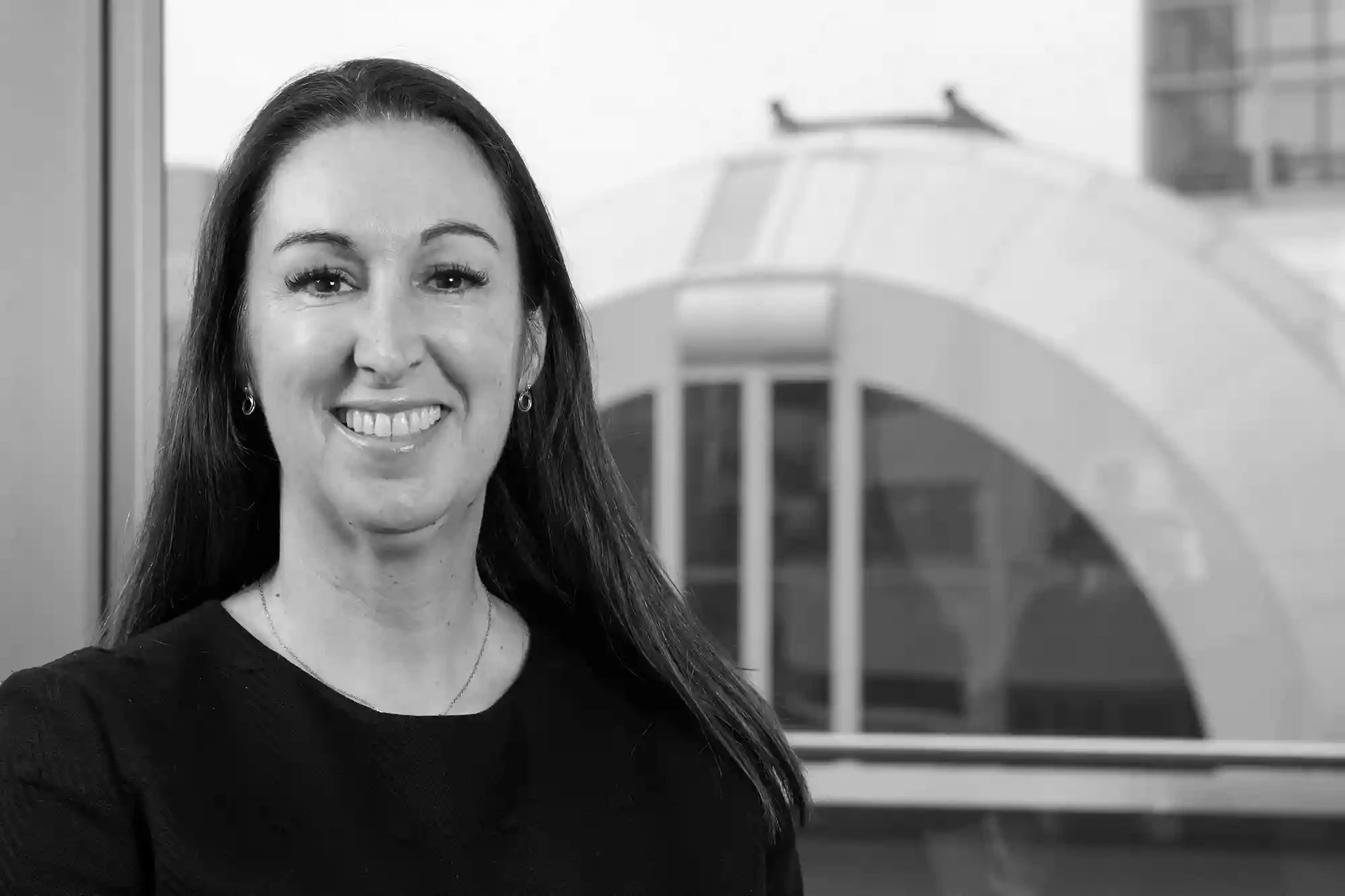
We spoke with Doris Sommavilla, Head of the Family Office Division at Stonehage Fleming, to analyze the dynamics underlying this phenomenon and the best strategies to respond to it.
What emerging trends do you observe among international HNW families and the family offices that serve them?
HNW individuals are moving in search of more favourable tax conditions, higher quality of life, diversified investment opportunities, greater personal security, and access to top-tier education. There’s growing awareness of the importance of nurturing healthy family relationships through open communication, supported by a clear and shared governance framework. Technology plays a crucial role — simplifying document sharing and storage, streamlining decision-making, and reducing information asymmetries among family members.
What dynamics are you seeing in the international mobility of HNW families? What are the most common personal and financial motivations and challenges?
“International mobility among HNW families is often driven by geopolitical factors and the search for more stable environments, as well as access to high-quality education for children and considerations linked to tax and estate planning. These families are also seeking an overall improvement in quality of life. However, the process brings regulatory, wealth management, and family cohesion challenges, as well as cultural and logistical adaptation stress. Attractive tax policies in countries like Italy and Switzerland are having a strong pull effect, while in others, such as France and the UK, uncertainty is pushing families elsewhere.”
How can HNW families be supported in planning and carrying out an international relocation? What complementary services can a firm like yours offer to Italian family offices assisting these families?
“An effective relocation requires a holistic and integrated approach. It’s essential to begin with comprehensive planning that covers legal, tax, financial, and cultural aspects. Our support includes analyzing international regulations to optimize tax efficiency, restructuring wealth to ensure compliance with relevant laws, and assisting clients through cultural and logistical transitions to help them integrate smoothly into their new jurisdiction. Thanks to our international expertise, we can also offer relocation opportunities and access to strategic local networks to Italian family offices and their clients.”
How can the legal, tax, and financial complexities of relocating across different jurisdictions be managed?
“A multidisciplinary approach with a long-term outlook and ongoing monitoring of regulatory developments is key. We start by identifying and understanding the expectations and needs of each family member, then — in collaboration with local experts — identify the most favorable jurisdictions for relocation. Tax planning is optimized to avoid double taxation and protect assets, while wealth structuring may include trusts, funds, or cross-border life insurance policies to facilitate transnational management.”
How do you provide tailored solutions aligned with your clients’ long-term goals?
“Each family has unique characteristics and values that family offices must listen to, understand, and manage. Only through thoughtful wealth planning can truly bespoke solutions be developed — ones that ensure intergenerational wealth preservation, flexibility to adapt to future events, and alignment with strategic and philanthropic objectives. The use of innovative technologies enhances transparency and communication, incorporating a holistic view that considers financial, intellectual, social, and cultural capital.”
What is essential for maintaining family cohesion and governance during and after an international relocation?
“An international move can test family cohesion, making it important to establish governance structures such as family councils and to organise regular meetings to maintain transparent communication. Educating and involving the next generation is vital so they can take on leadership roles and strengthen shared values through family retreats. These tools ensure that the family’s principles and strategic goals remain at the core of decision-making.”
What advice would you give to Italian family offices seeking to strengthen their expertise in addressing their clients’ international mobility challenges?
“To meet these challenges effectively, it’s crucial to invest in the team’s international training, build strategic partnerships with global firms, and adopt innovative technologies to monitor wealth and optimise communication. In addition, long-term planning that takes into account families’ social, intellectual, and cultural capital can ensure a more complete and competitive approach. A modern family office must be able to combine strong local expertise with a global perspective.”