
The interest of foreign investors in the Italian real estate market has now become a structural phenomenon, driven by economic, cultural, and legal factors. Italy is perceived as a market capable of combining asset value, quality of life, and a robust property transfer system.
2026 is cited by various observers as a year of potential growth in sales, with forecasts of volume growth supported both by the gradual stabilization of interest rates and the boost from major international events, including the 2026 Milan-Cortina Winter Olympics.
Italian Real Estate Market: Prices, Regions, and Investment Opportunities
The appeal of the Italian market is based on a set of distinctive factors.
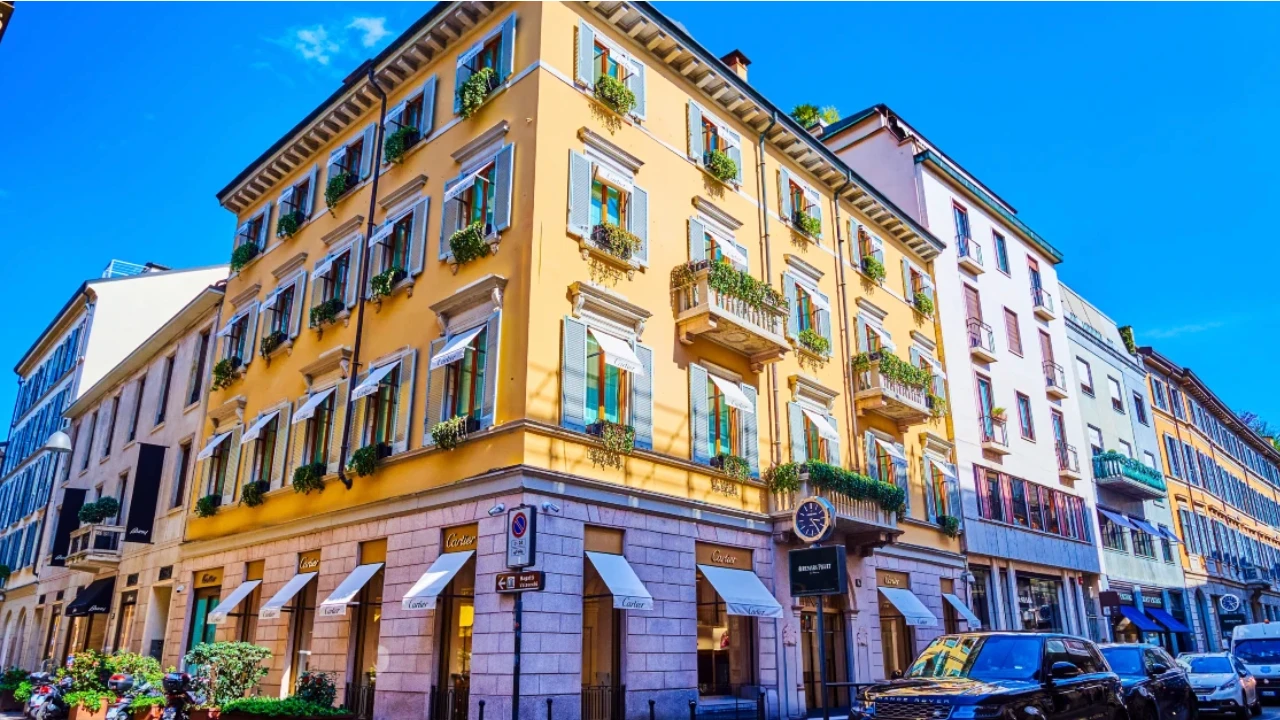
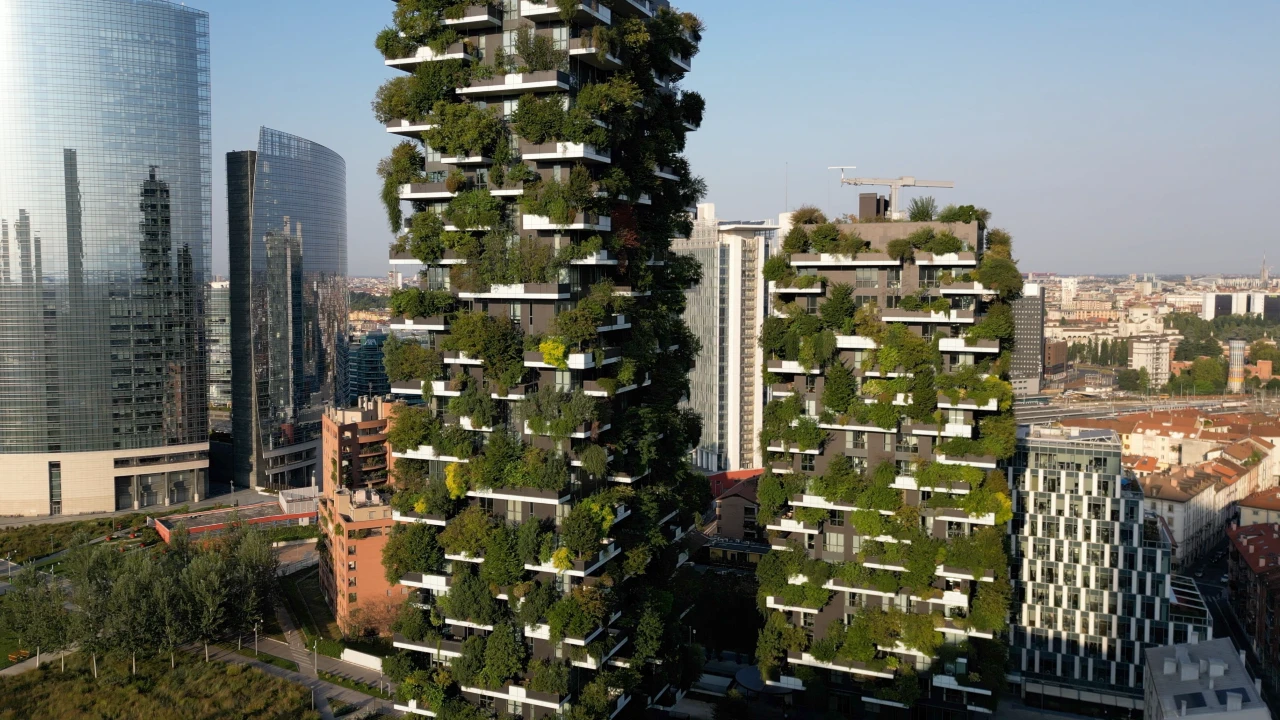
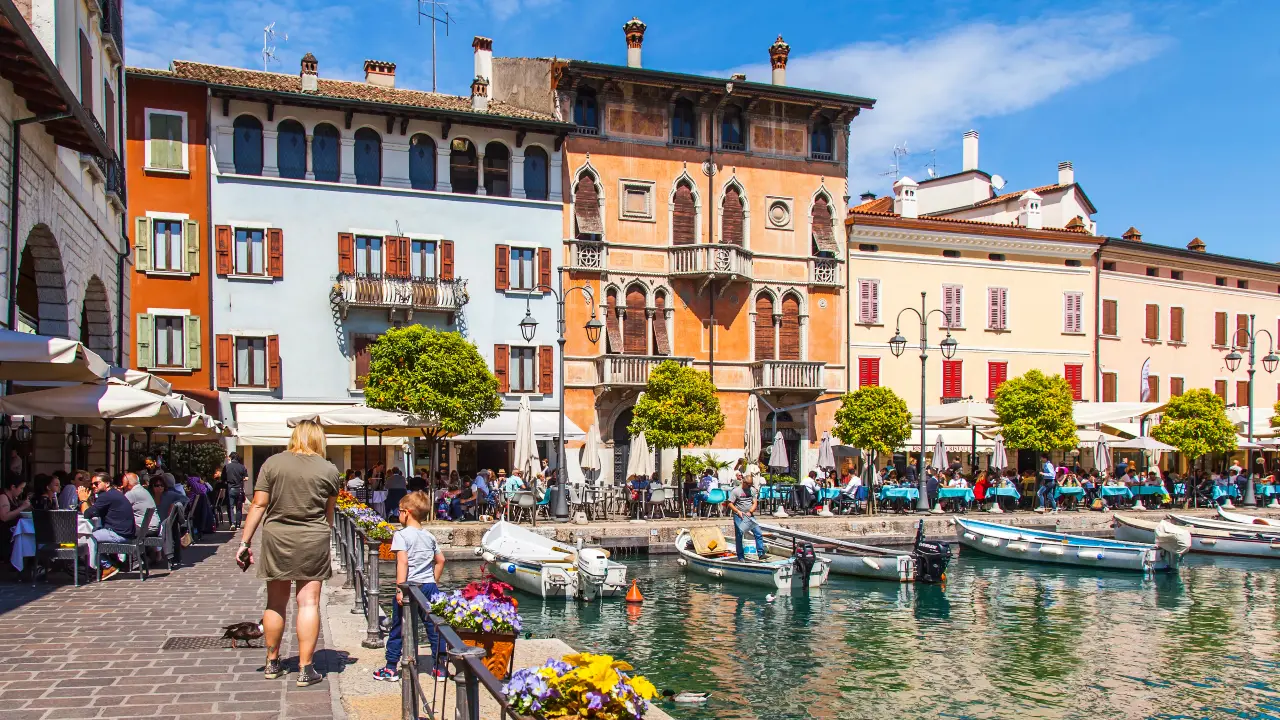
First, regional diversity: from the international metropolitan scale of Milan to the alpine charm of Cortina d’Ampezzo, through the lakes of the North and the coasts of the South, the Italian real estate market covers highly diversified segments, ranging from high-end urban residential properties to leisure second homes.
Second, the value for money remains competitive compared to other mature European markets. In many areas, especially outside major urban centers, unit values allow for appreciation potential in the medium term, a factor that strengthens the interest of foreign demand focused on asset diversification.
Another factor is the robustness of the legal framework for real estate transactions: notarized deeds, property registration, and formal checks ensure a high level of certainty, which is particularly valued by international investors.
Real Estate Sales in 2026: Forecasts Amid Interest Rates, Tourism, and Foreign Demand
Sector analyses and forecast indices for 2026 point to a possible recovery in transaction volumes following the slowdown linked to the tightening of credit in previous years. These expectations are based on three main factors:
- Gradual stabilization of interest rates, with positive effects on financing capacity and buyer confidence.
- Return of foreign demand, driven by the recovery of tourism and the search for real assets in a still uncertain macroeconomic environment.
- Multiplier effect of major events, with particular reference to the Winter Olympics.
Milan-Cortina 2026 Olympics: Impact on Prices and the Real Estate Market
Experience from previous real estate cycles shows that major events tend to increase the international visibility of host cities and accelerate infrastructure projects and urban regeneration. However, the impact on prices and transaction volumes is not uniform: it is concentrated in the micro-areas actually affected by public works, new transportation links, and service improvements.
Where to invest in Italy: cities, tourist destinations, and emerging markets
By 2026, studies predict particularly active market dynamics in:
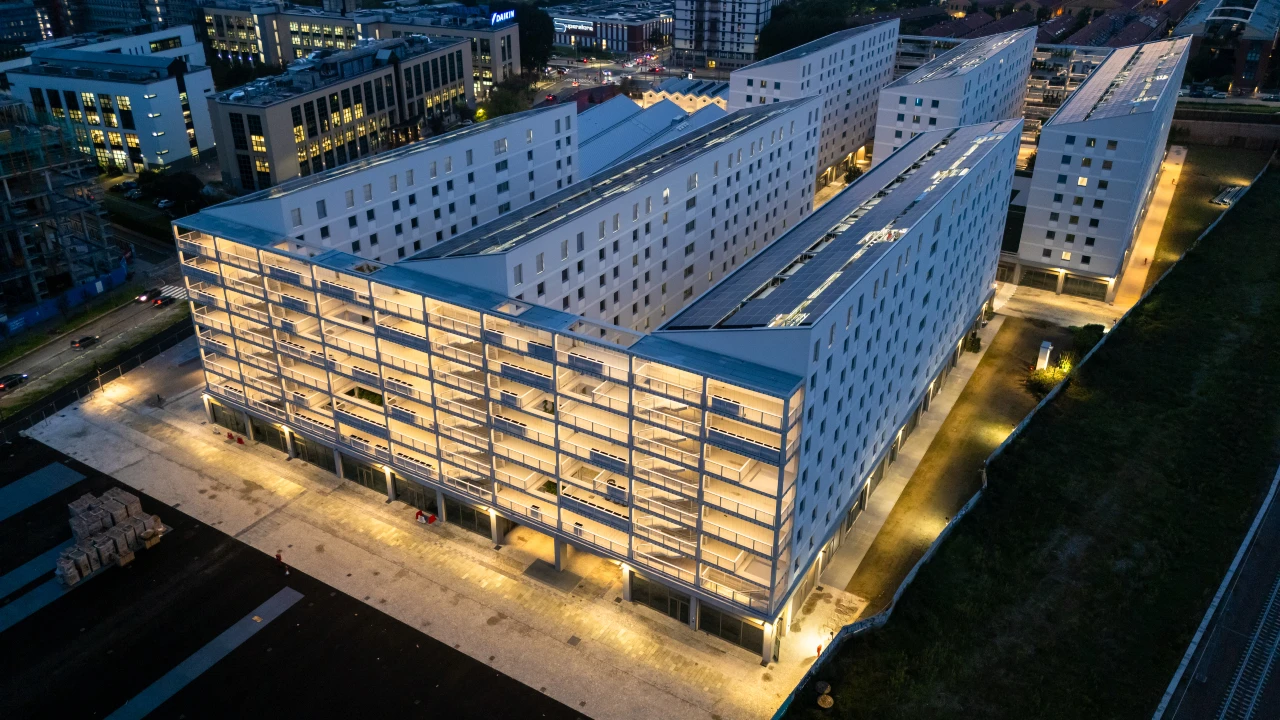
• Urban areas undergoing transformation, where infrastructure projects and redevelopment can influence property values;
• Alpine and lakeside destinations, traditionally attractive to international clients;
• Secondary markets with high environmental quality, which combine still-affordable prices with growing international visibility.
Foreign investors: strategies balancing yield, lifestyle, and diversification
In this context, foreign investors tend to gravitate toward high-quality properties, with adequate energy efficiency and full compliance with urban planning regulations, favoring assets that are easily resellable in the medium term.
Foreign demand is divided into three main categories:
- investments focused on rental yield;
- lifestyle purchases intended for personal or semi-residential use;
- asset diversification transactions.
The resilience of the Italian market also stems from the combination of domestic and international demand, which helps mitigate cyclical volatility.
Real Estate Market 2026: Growth Outlook and Key Factors
The outlook for 2026 points to a scenario of potential growth in real estate transactions in Italy, supported by positive forecast indicators and a context of renewed international visibility.
The impact of the Milan-Cortina Games could act as a catalyst, particularly in the areas directly involved and in the mid-to-high-end segments. However, the market’s strength will depend on the quality of the fundamentals: infrastructure, services, regulatory stability, and transparency of transactions.
In a global context marked by uncertainty, Italian real estate continues to be perceived as a tangible asset capable of combining capital value, cultural appeal, and growth prospects in the medium to long term.