
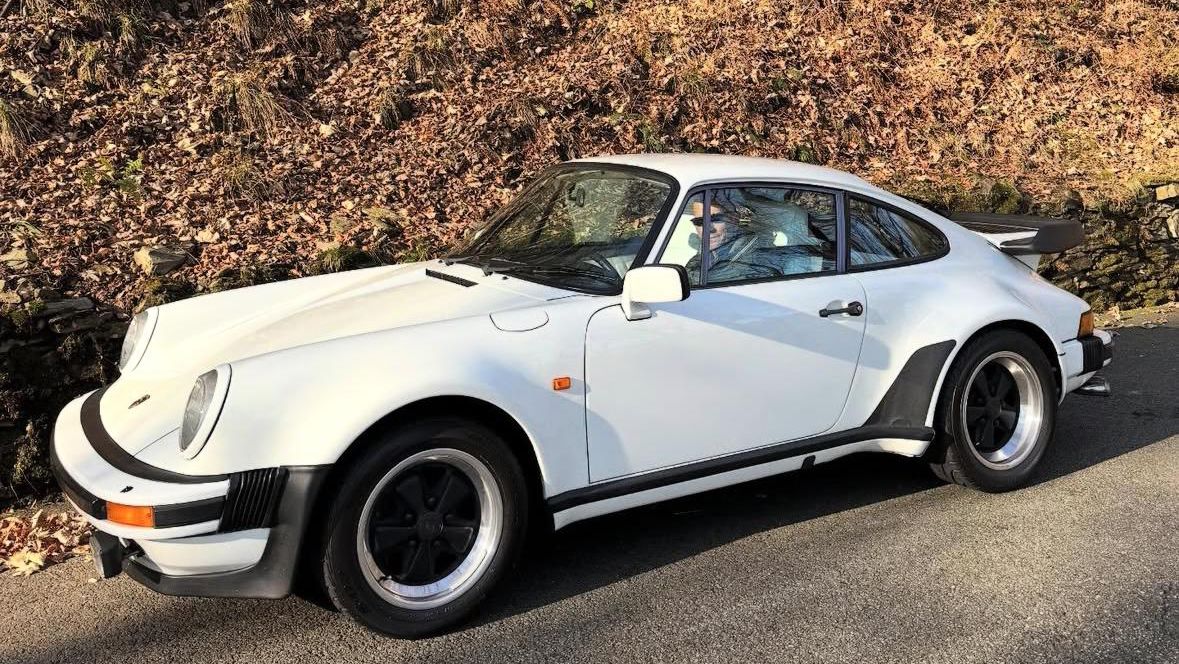
After a decline in the market and prices since 2024, which has particularly affected cars manufactured before 1975, collectors’ interest is shifting towards more modern production. A generational change is underway among collectors (millennials and Generation Z), which is shifting purchases towards ultra-modern sports hypercars ultra-modern and highly engineered limited series models, and towards so-called youngtimers, i.e., models that marked production between the 1980s and 2000s, capable of providing essential technologies while maintaining the mechanical heart, quality materials, and successful design. The ones paying for this change in trend are traditional vintage models and historic cars, which were popular with previous generations.
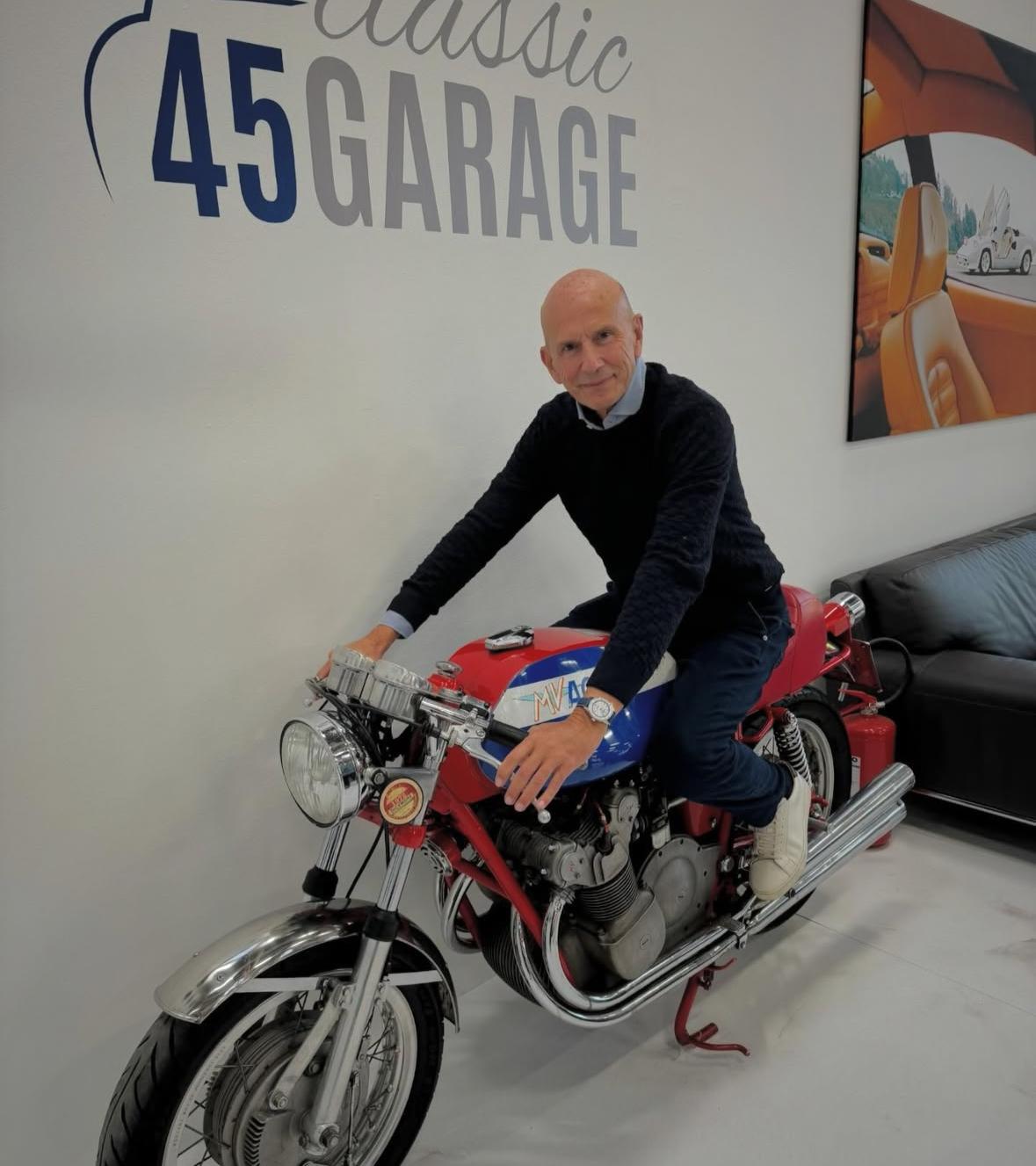
Beppe Ambrosini
Three categories of classic car collectors
“Today, we have three categories of collectors,” explains Beppe Ambrosini, general manager of some of the most prestigious watch brands, including IWC, Piaget, and Breitling, and a lifelong enthusiast of collectible cars, another great love alongside timepieces, in which he is now considered an expert.
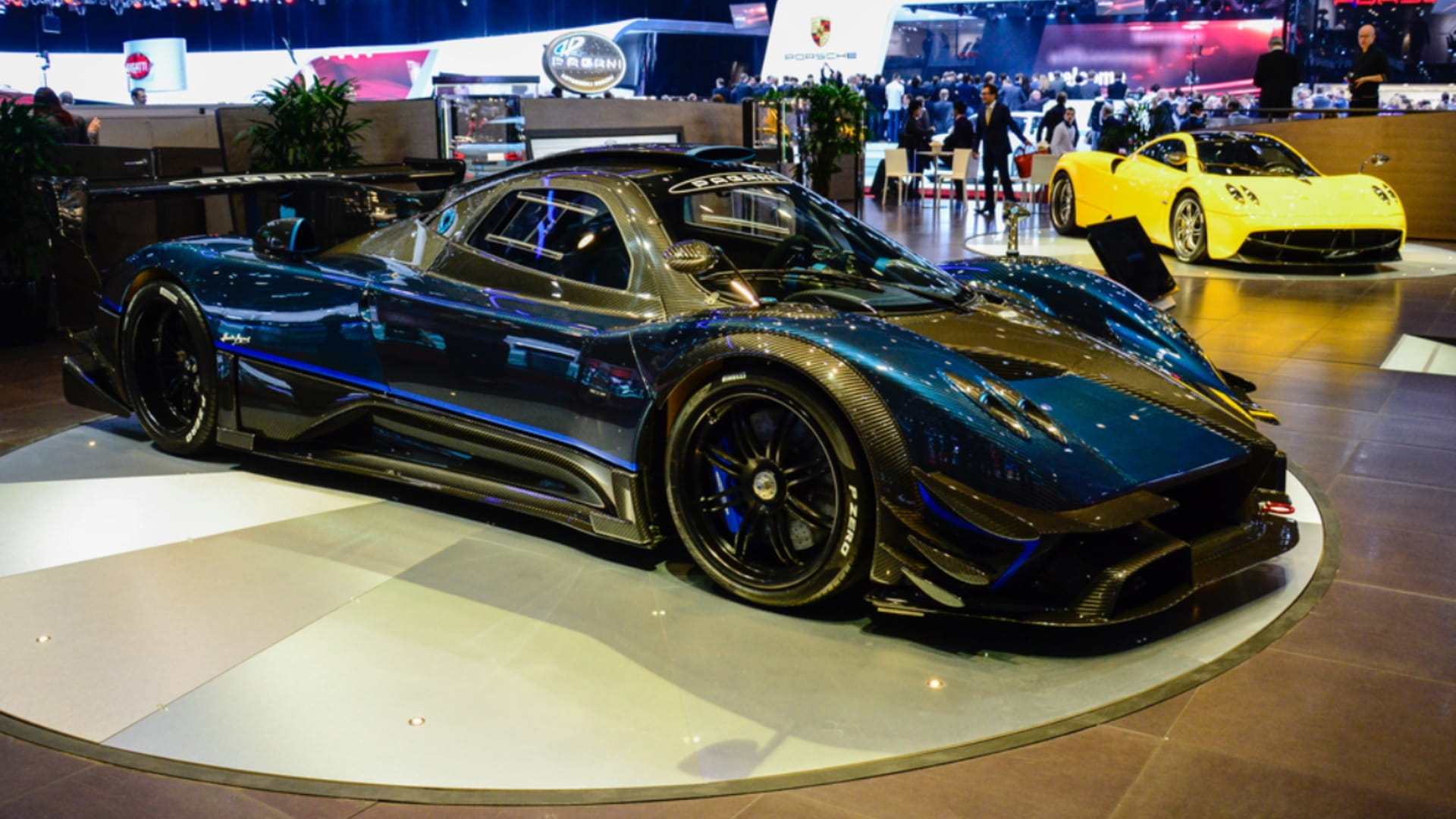
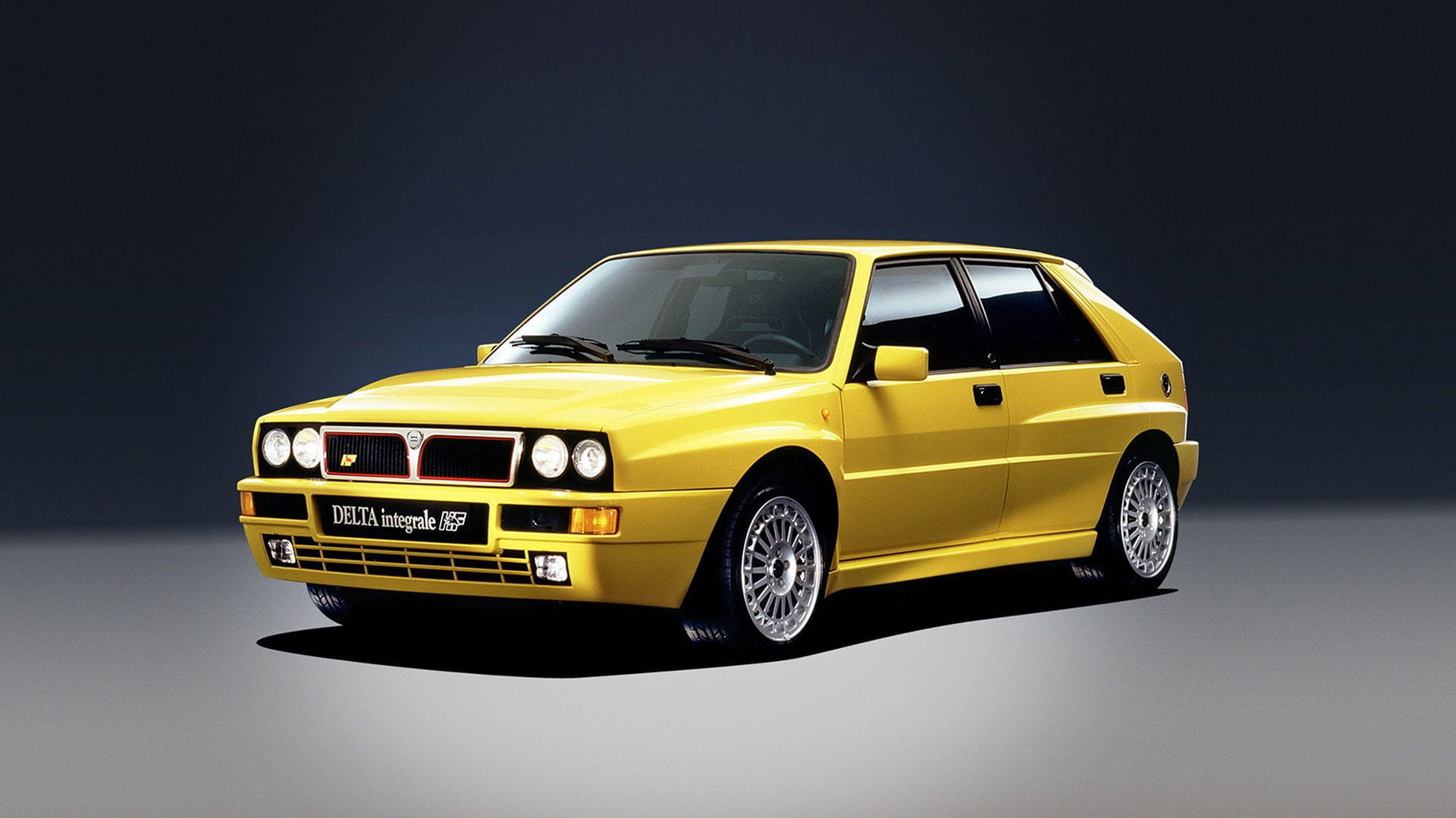
“The first category is that of collectors with considerable means who turn to the latest generation of limited-edition hypercars. In addition to Ferrari with its 348, 355, and 360 models, Porsche with its 993, 964, and 997 models, and Lancia with its Delta 16-valve model, these cars are of great interest to collectors both now and in the future. Interest in Maserati, which was high a few years ago, is declining. After an initial increase in value, particularly with the biturbo models, it is now paying the price for corporate events and high maintenance costs.
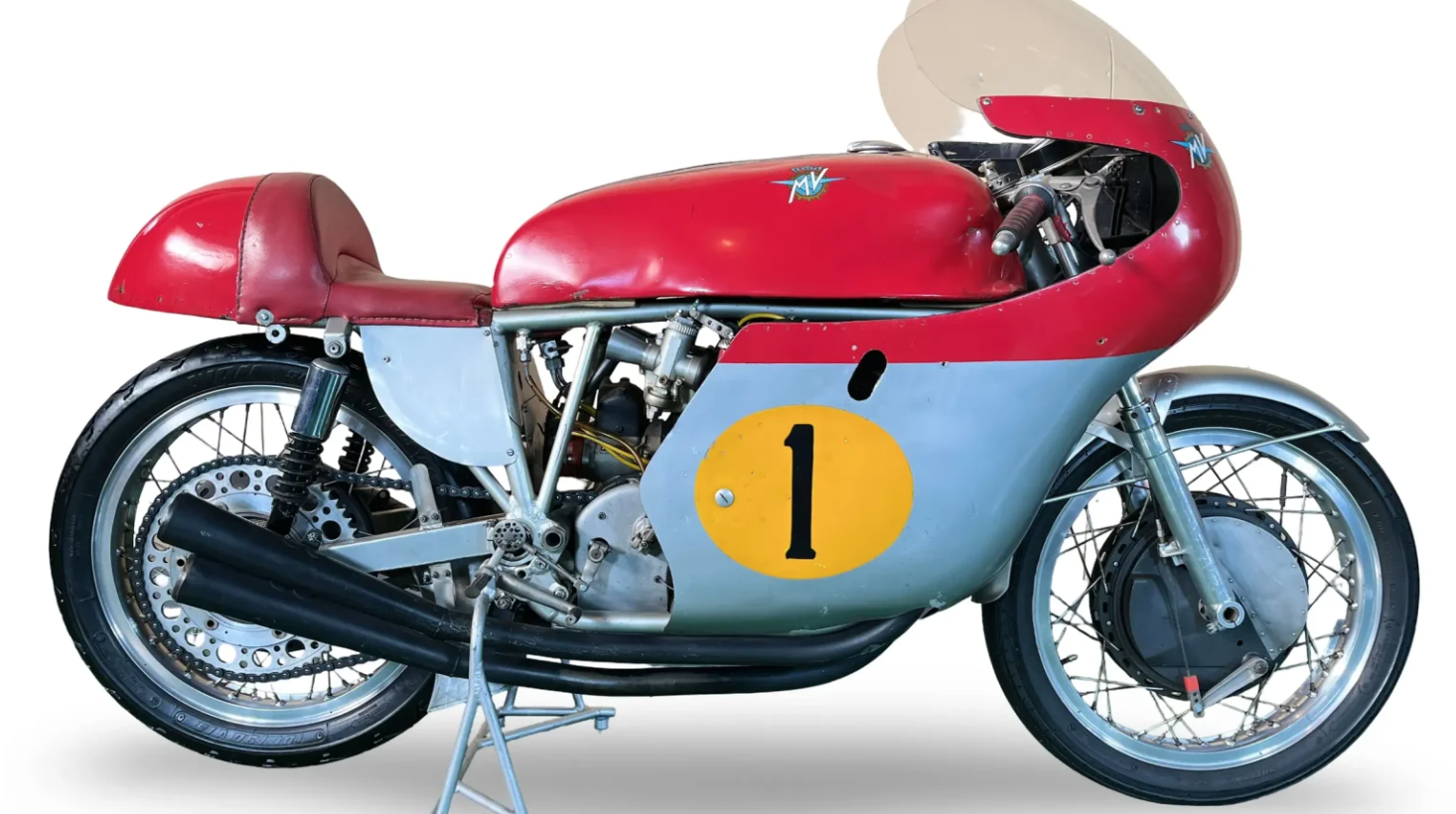
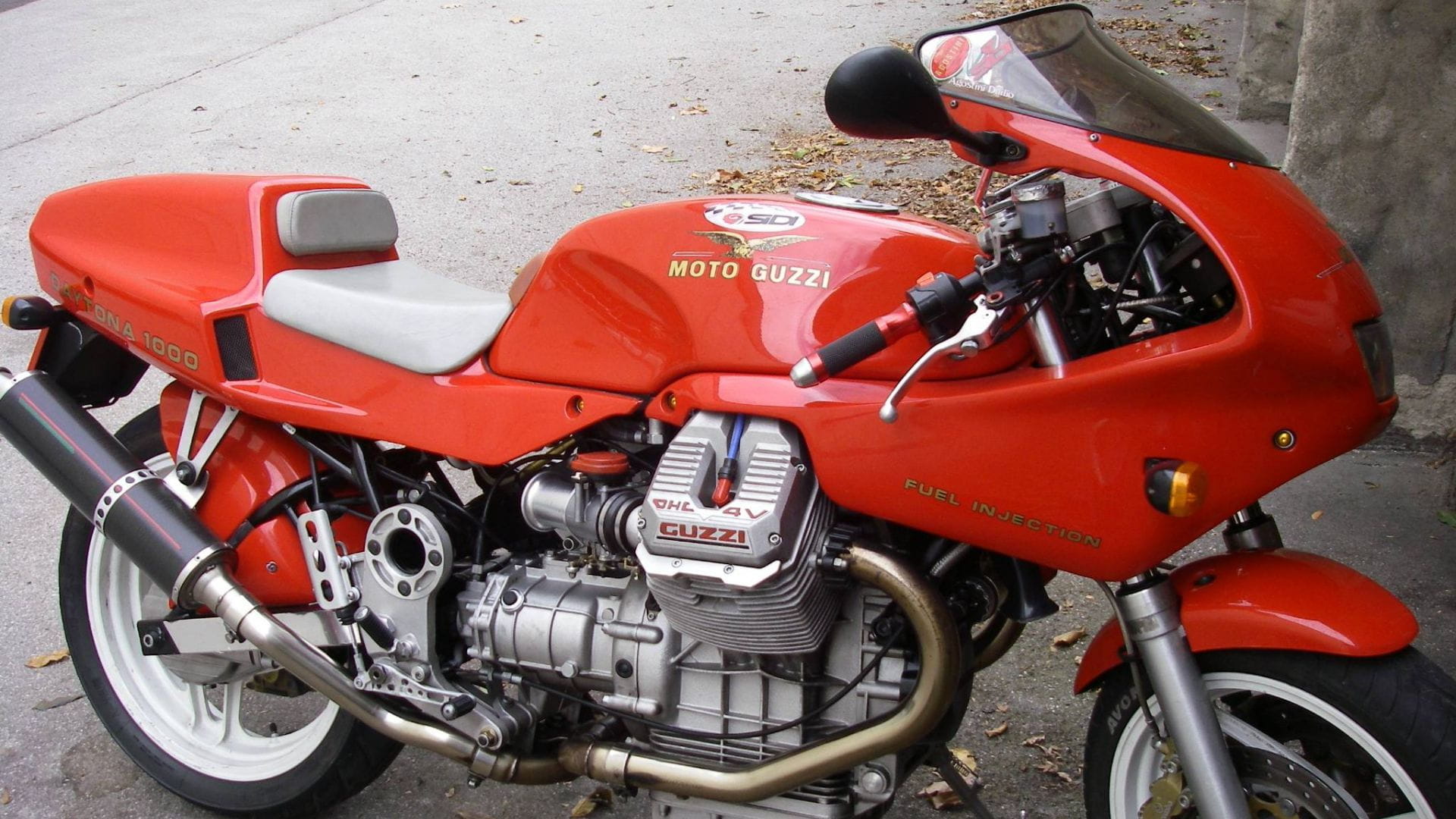
This trend is countered by a new generation of collectors in their forties and fifties who are looking for models from the 1980s onwards that combine great design, analog instrumentation, and manual transmission with high-performance engines and useful technology in sports cars. Cars with these characteristics are enjoyable to drive in all conditions and are more affordable. Then there is a third category of collectors that I would define as “vintage,” as they are enthusiasts of cars produced up to the 1970s with historical charm and a tradition linked to racing, such as the Millemiglia and Le Mans, which have made motoring history.
Generational change and the “investment” factor
From a market perspective, it is precisely this latter segment that is suffering, with prices falling by two-thirds compared to five years ago, while cars in the ‘youngtimer’ segment are doubling in value over the same period. Car collecting is therefore changing, while retaining its appeal, and is focusing on models that characterize recent times.
“We are witnessing a generational change in the world of car collecting,” adds Ambrosini, “in these categories of collectors, the investment aspect is one of the driving factors. It is no longer just about passion for one’s favorite model, but also about the growth in value over time. In general terms, the market is undergoing a period of adjustment after the big sales that followed the pandemic.” In fact, those years were marked by heavy speculation by investors and funds that bought flagship models en masse to resell them and make high profits. “We are now seeing a phase of correction, with values realigning to their correct levels,” continues Ambrosini, who concludes, “the same dynamics are at play in the collectible watch market, but that’s another story.”
Passion for classic cars remains sky-high
While the market is undergoing realignment, the same cannot be said for collectors’ interest in this segment, which remains high and is actually growing thanks to exhibitions, competitions, historic races, and rallies. Digital technology and social networks have also entered this classic world and amplified the phenomenon with the dissemination of images, videos, and stories that attract attention. This is the case with the event created by lawyer Carlo Maria Del Conte, which every Sunday brings together historic cars from Milan and beyond in Piazza Affari under Maurizio Cattelan’s L.O.V.E. sculpture. This informal initiative has quickly created a meeting point for enthusiasts and collectors, motor experts and simple novices, all with an interest in cars from the 1980s and 1990s (@quellidipiazzaaffari). Recently, a twin event has also started in Turin in Corso Trento (@quellideltoret).