
Italy is one of the world’s most sought-after destinations, but also one of the most complex to navigate. Peak-season crowds, packed beaches, heavy traffic and destinations that are not always easy to reach are just some of the challenges that can disrupt even the most carefully planned journey. Unexpected complications can arise at any moment, both while travelling and in everyday life. As a result, creating personalised and memorable experiences has become increasingly demanding, requiring careful planning, local expertise and the ability to respond quickly when circumstances change.
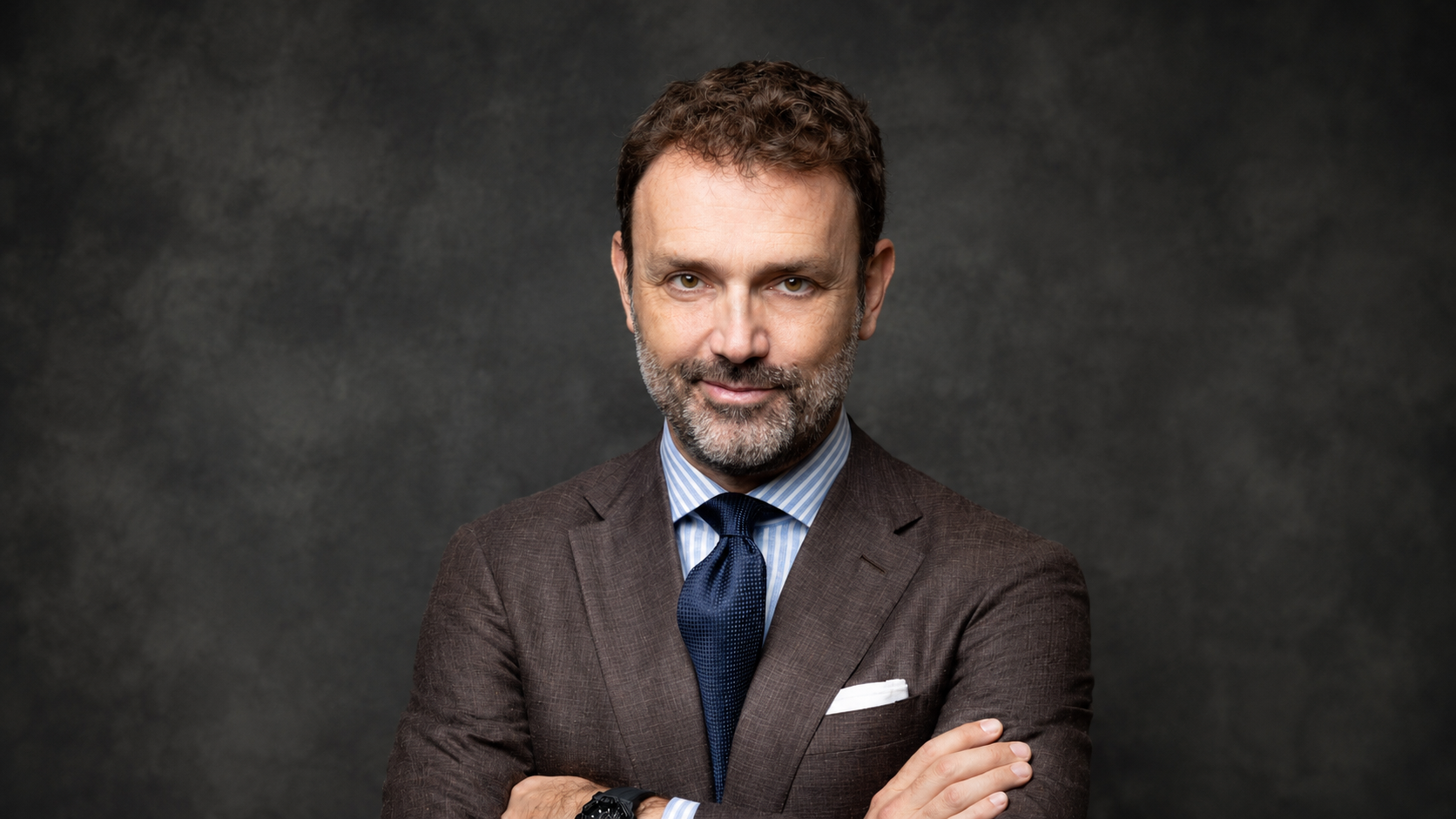
For high-net-worth travellers, luxury is no longer defined only by the quality of a hotel or the exclusivity of an experience. It increasingly depends on what happens behind the scenes: anticipating obstacles, coordinating fragmented services and ensuring that complexity never reaches the client. We discussed these challenges with Paul Lewis, CEO of Luxo Italia, exploring what it takes to create a truly seamless luxury journey across Italy.
From your perspective, what makes the Italian luxury travel experience so unique and challenging to orchestrate?
Part of Italy’s uniqueness lies in the fact that every destination follows its own rhythm and logic. Each region has its own relationships and often its own unwritten rules. What works effortlessly in Lake Como may be completely different in Sicily or on the Amalfi Coast.
Many people see Italy as one destination. In reality, it is dozens of different ecosystems that happen to share the same passport. This complexity is precisely what makes Italy so rewarding but also what makes execution so demanding.
For this reason, designing a beautiful itinerary is only the beginning. The real work lies in connecting hundreds of moving parts into one seamless experience, without the client ever noticing the complexity behind it.
High season in Italy can be particularly demanding, with limited availability, crowded destinations and fragmented logistics. How do you anticipate these challenges before they affect the client experience?
Planning begins long before reservations. We spend a significant amount of time thinking about what could go wrong before thinking about what should happen. Peak season is rarely about finding availability; it is about protecting flow.
Sometimes changing the departure time by thirty minutes, selecting a different pier, arranging lunch before the crowds arrive, or choosing a different route entirely can completely transform the day. Clients rarely remember these decisions because they never experience the alternative. That is exactly the point. The best planning is often invisible.
How do you manage last-minute requests from UHNW clients, especially when they involve villas, restaurants, private experiences, permits or transfers during peak season?
The answer is simple: relationships. After more than fifteen years working throughout Italy, many of the people we call are no longer suppliers – they are trusted partners. That makes an enormous difference when time is limited.
Of course, not every request is possible, and one of our responsibilities is also knowing when to say so honestly. Luxury is not promising miracles, it is giving clients realistic solutions quickly, quietly, and without unnecessary stress.
Very often, clients remember how you react under pressure far more than the original request itself.
Italy is a country of extraordinary beauty, but also of regional differences, local rules and logistical nuances. How does Luxo turn this fragmentation into a coherent travel experience?
We don’t start by asking where clients want to go. We start by understanding how they want to feel. Once that is clear, every destination becomes part of a larger narrative rather than a series of isolated stops. Different regions may have different cultures and operational realities, but clients should never feel those transitions. Whether they move from Rome to Florence or from Tuscany to the Amalfi Coast, the experience should maintain the same rhythm, the same level of care, and the same confidence. Consistency is what transforms multiple destinations into one journey.
Can you share an example of a situation where you had to solve a complex issue behind the scenes to preserve the quality of the experience?
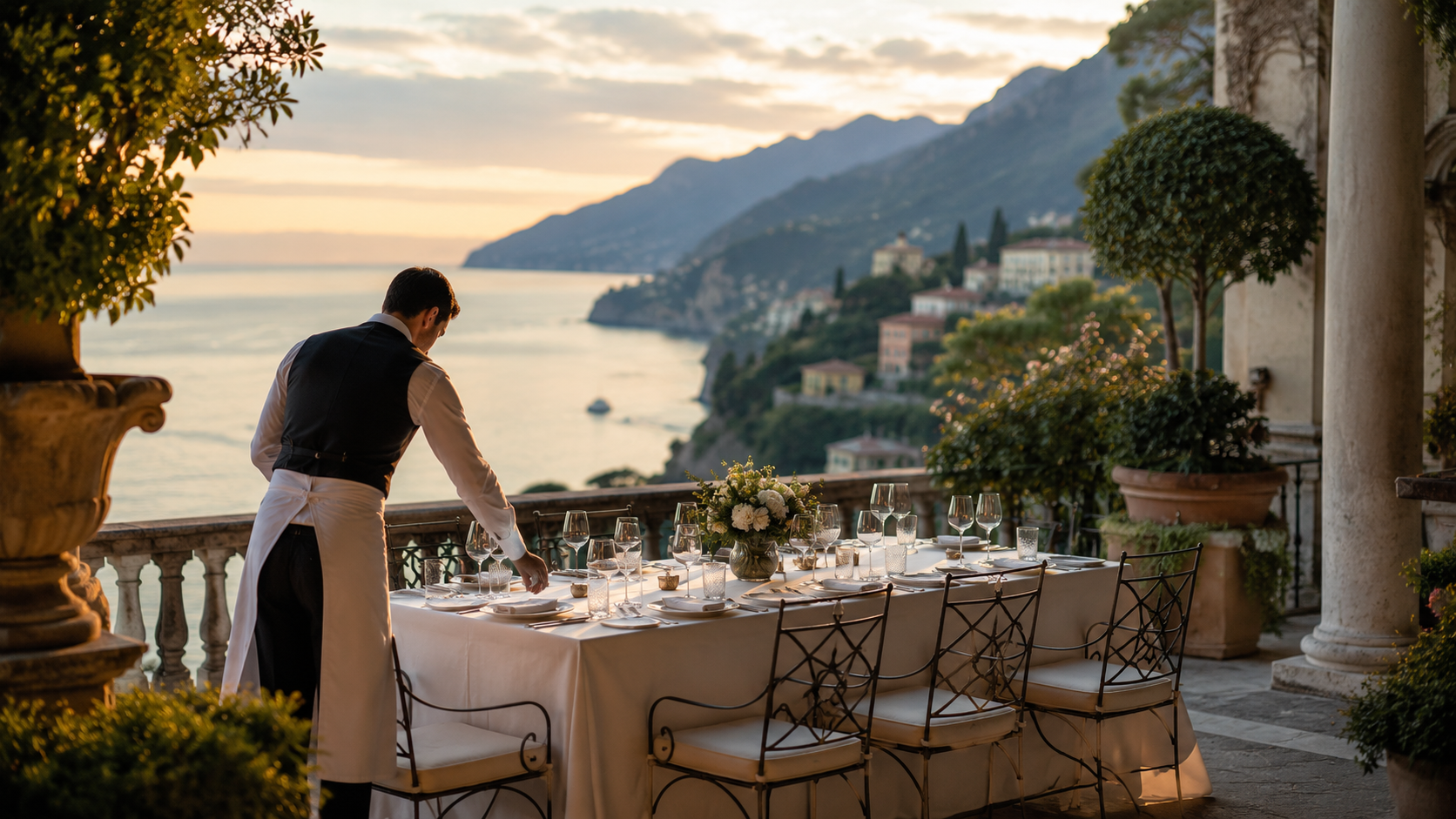
One situation that has always stayed with us involved a family travelling through the Amalfi Coast during an exceptionally busy summer. Just a few hours before their arrival, one of the key experiences planned for the following day became impossible due to circumstances completely outside everyone’s control.
Instead of presenting the problem to the client, we immediately activated our network, redesigned the day, coordinated new timings with the hotel, transportation team and local partners, and created an alternative experience that ultimately became one of the highlights of their trip. The family never experienced a disruption. In fact, they later told us it had been one of their favourite days in Italy. For us, that is the true measure of success: making sure clients never have to experience them.
Do you think the future of luxury travel in Italy will depend less on individual services and more on the ability to coordinate the entire experience from end to end?
Absolutely. Luxury is becoming less about individual components and more about orchestration. Beautiful hotels, exceptional restaurants and private experiences have become increasingly accessible. What remains rare is the ability to connect them into one coherent experience where every transition feels natural.
Clients no longer evaluate each individual service separately. They remember how the entire journey made them feel. I believe the future belongs to advisors who can combine local knowledge, personal relationships and operational excellence into one seamless experience. Because ultimately, luxury is not the absence of complexity, but the ability to absorb complexity on behalf of someone else.