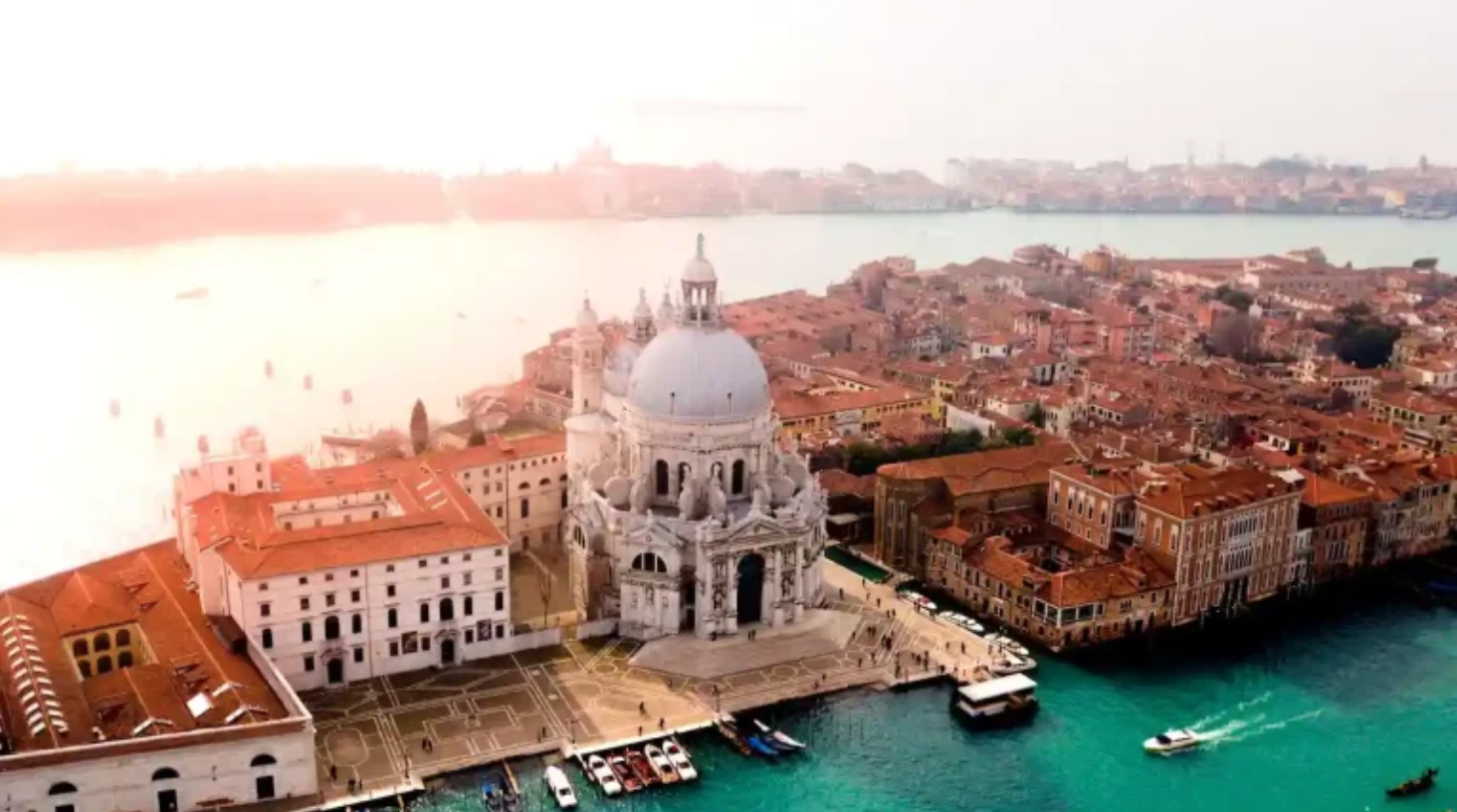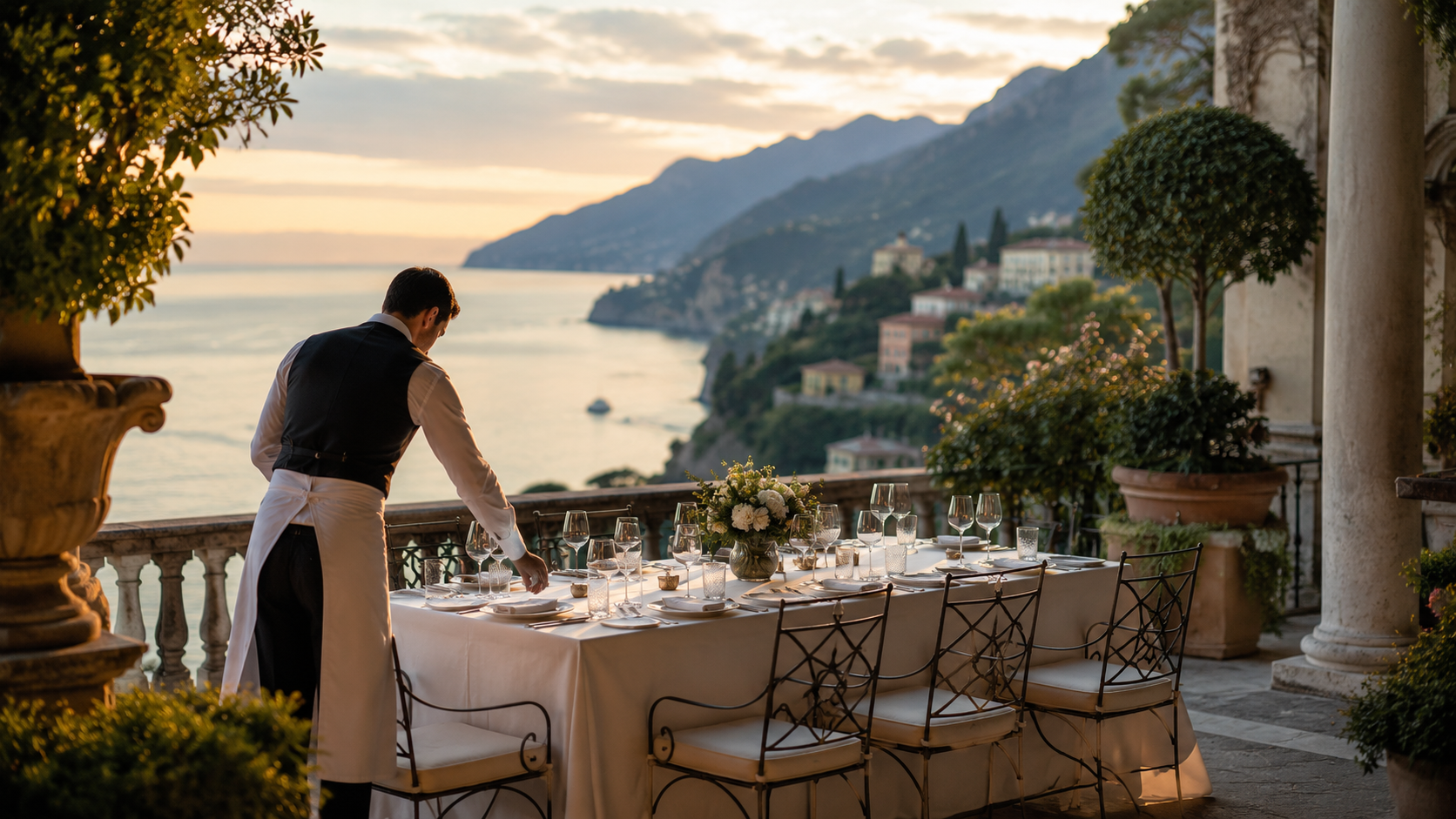

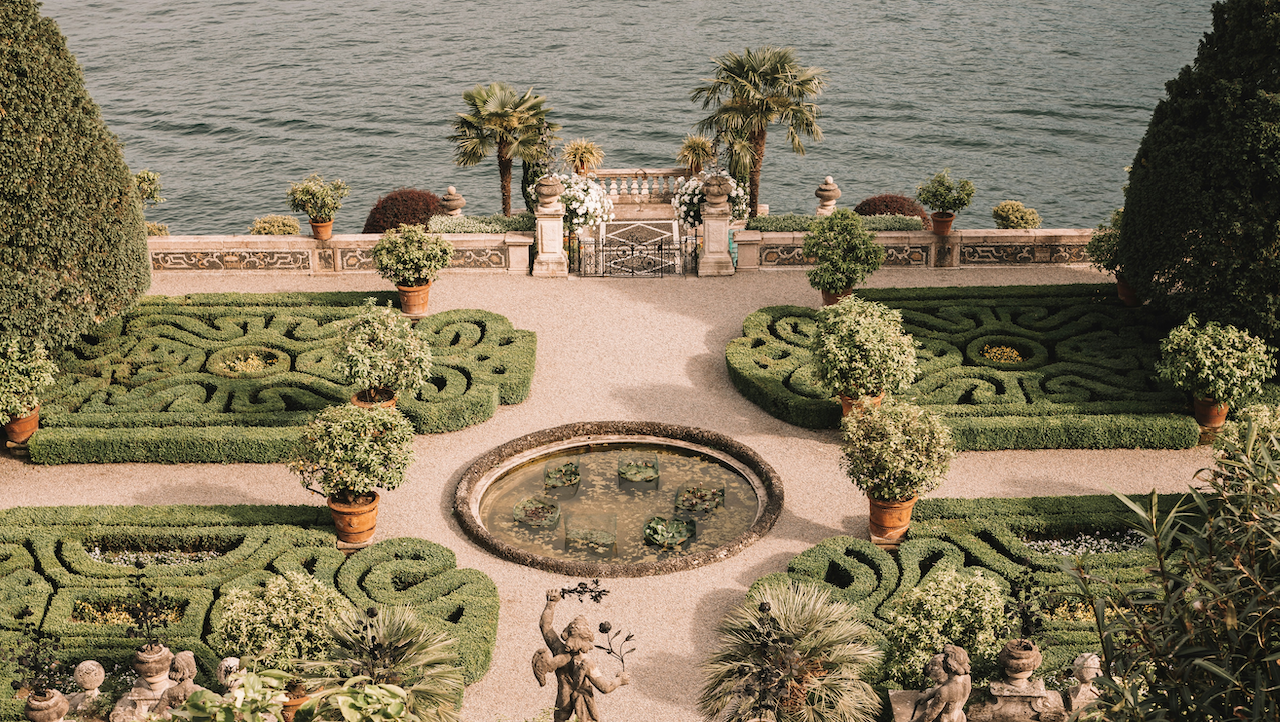
Renaissance cities, coastal drives, long lunches in the sun: Italy may be the most imagined country in the world, already familiar before departure. Yet it remains, in many ways, fundamentally misunderstood. Beyond this surface, beyond this collection of images, Italy reveals itself as something far less immediate and far more intricate: a place governed not only by beauty, but by timing, relationships, and an unspoken sense of balance. To move through it meaningfully requires more than access. It requires interpretation. In this conversation, Paul Lewis, CEO at Luxo Italia, a Milan-based tailor-made luxury travel agency, reflects on what lies beneath the visible, and on the experiences that allow travelers not simply to see Italy, but to enter it.
Many American travelers believe they already know Italy. How much of that is true, and how much remains invisible to an international eye?
“Most American travelers are familiar with Italy’s imagery, not its structure. They know the landmarks, the aesthetics, the idea of la dolce vita. What often remains invisible is how Italy actually works — socially, culturally, and operationally. Italy is not a destination you simply visit. It is a system you enter, where timing, relationships, and context shape everything. What appears spontaneous is often carefully balanced. What looks accessible is, in reality, selective. The difference between knowing Italy and experiencing it lies in understanding these invisible layers — and having someone who knows how to navigate them with discretion“.
If you were to select five experiences capable of revealing Italy in its most authentic and unexpected form to an American audience, which would they be and why?
“Rather than ‘top experiences’, I would choose five situations where Italy reveals itself naturally. A private visit to a cultural site outside public hours, not for exclusivity, but for perspective. Without crowds, Italy becomes quieter, more personal, almost introspective. A long, unstructured lunch in the countryside: no fixed timing, no performance — just food, conversation, and rhythm. This is where Italian culture truly lives. A day on the water with no fixed agenda. Moving along the coast or across a lake without a schedule allows clients to experience Italy the way Italians do: fluid, intuitive, unforced. Time in a lesser-known village or micro-destination, not to “escape” tourism, but to understand scale — how Italy changes dramatically within short distances. An encounter with a local artisan or producer: not a demonstration, but a real exchange. These moments reveal pride, patience, and continuity. These experiences are simple on the surface, but they require the right conditions to feel genuine”.
What makes these experiences so distinctly Italian, and at the same time so surprising to those arriving from the United States?
“What surprises American travelers is not what they see, but how time behaves. In Italy, time expands. Meals are not efficient, they are relational. Plans are not rigid, they are adaptive. Value is not measured by productivity, but by presence. This can feel disorienting at first, especially for those used to highly structured environments. But it is precisely this shift that allows a deeper connection to emerge. Italy does not reward control — it rewards understanding when to let go of it”.
If these five experiences were an invitation, what would they reveal not so much about Italy, but about the kind of traveler who is truly ready to experience them?
“They reveal a traveler who is comfortable with depth over display. Someone who does not need to see everything, but wants to understand something. Someone who values continuity over novelty, and who is willing to trust the process rather than control every detail. Ultimately, they reveal a mindset: the ability to move through a place without needing to dominate it. Not every traveler is ready for that, and that is perfectly fine. But those who are tend to experience Italy in a very different way”.
Ultimately, what distinguishes a well-designed journey in Italy from one that truly captures its deeper meaning?
“A well-designed journey is efficient, beautiful, and seamless. A meaningful journey goes further — it creates a sense of belonging, even if temporary. This happens when logistics disappear, when timing feels natural, and when the client is no longer observing Italy, but moving within it. That transition does not happen by chance. It requires careful orchestration, sensitivity to context, and a constant presence behind the scenes. At that point, Italy is no longer something to see. It becomes something to feel”.