
Private capital is entering a new phase, characterized by greater convergence with the world of wealth management, accompanied by innovation in distribution models and a renewed confidence in investments and fundraising among customers.
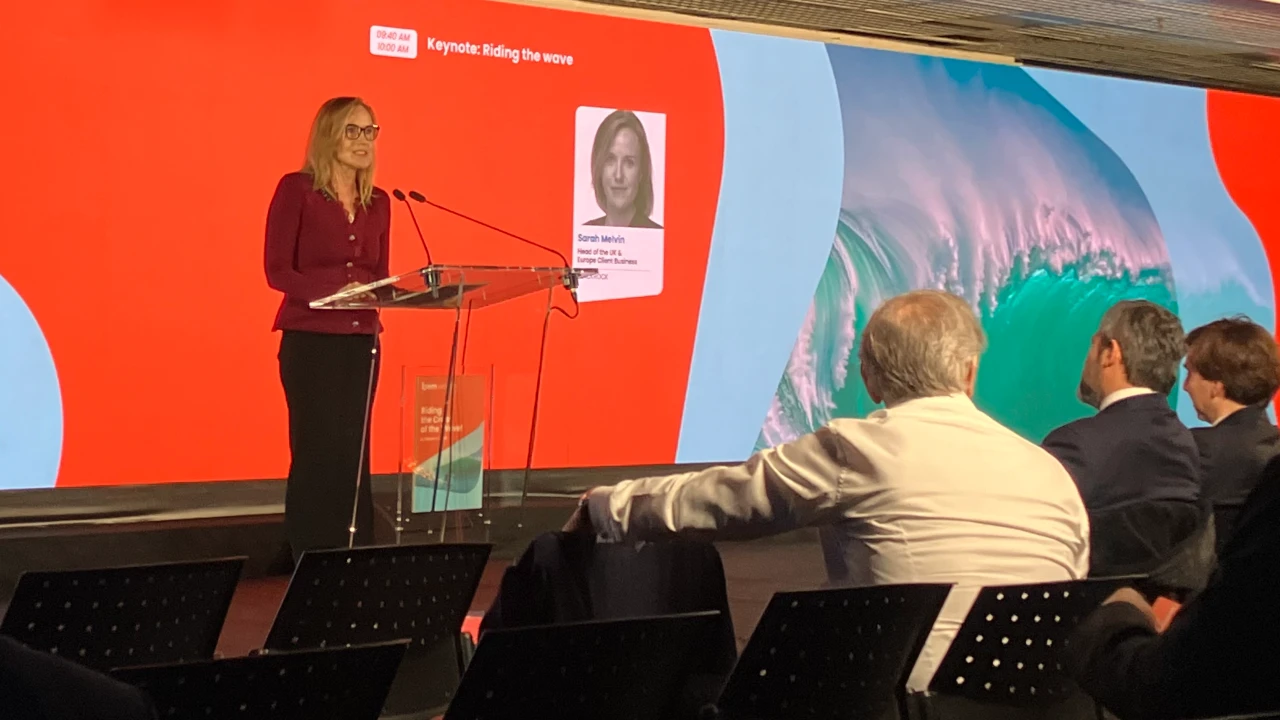
The new edition of IPEM Wealth 2026, held in Cannes on February 4 and 5, conveyed this message clearly. The reference to the wave, chosen as the motto for this edition, evokes the idea of a sector that is not limited to reacting to the cycle, but is preparing to ride it with greater maturity. The aim is to navigate a landscape of opportunities reshaping global private markets and attracting a growing number of investors.
A new phase is emerging in which private markets are preparing to embrace greater innovation and awareness.
IPEM Wealth 2026 in Numbers
3,730 participants, 1,455 companies (including 540 fund managers), 730 Limited Partners (+20% compared to 2025), 300 exhibitors, 220 speakers, and approximately 55% of international companies gathered at the Palais des Festivals in Cannes over the course of three days. These are significant numbers, reflecting the size of a constantly growing ecosystem, but also concrete evidence of the growing interest from the wealth management industry in private markets.
Private Capital Meets Wealth Management
The numerous panels on the second day highlighted a now structural transformation: the increasingly decisive entry of private capital into wealth clients’ portfolios. While in previous years the focus was on access, today—with the democratization of the sector becoming evident—the discussion has shifted to how to make this access scalable, sustainable, and consistent with the needs of a wider audience of investors.
The debate also focused on the return of evergreen structures, seen as the natural bridge between the illiquidity of private assets and the need for continuity in allocation for investors. Not to mention their potential to be a real resource for the younger generations, as they will increasingly become the core of their allocations in private markets. These instruments allow for greater flexibility in entry and exit, even within managed liquidity mechanisms. This flexibility is never to be taken for granted when it comes to investments.
However, the expansion of evergreen structures also requires greater awareness. Managed liquidity, transparency on valuations, and consistency with the overall risk profile of the portfolio have become central elements in avoiding inappropriate use of the structure.
Another crucial point in the discussions among the experts was the growing role of family capital, which is increasingly direct and less intermediate. At the same time, there was a discussion on how to mobilize unused capital in Europe to fuel long-term investment. Its potential is enormous and, in a context marked by persistent macroeconomic and geopolitical uncertainty, private capital is increasingly seen as a tool to support the real economy, as well as a lever for returns.
The discussions that opened the 2026 edition of IPEM Wealth painted a clear picture: the democratization of private markets is no longer a theoretical project, but a dynamic already underway, requiring the sector to undergo organizational and cultural evolution.
New Balances in Asset Allocation
While the second day focused on the infrastructure of convergence between private markets and wealth, the third day concentrated on the concrete implications for asset allocation.
The debate moved beyond the traditional 60/40 portfolio model. The hypothesis of a 50-30-20 approach, with a structural share dedicated to private markets, emerged as one of the most discussed developments. Which more and more operators are beginning to consider in their allocation models. For this reason, private markets are no longer viewed with an “opportunistic” eye, but rather from the perspective of long-term strategic allocation. In fact, several discussions revealed that they should become a core component of the portfolio.
However, supporting greater allocation to private assets requires more robust governance models, greater financial education, and platforms capable of integrating private and public assets consistently. This shift is prompting GPs, distributors, and wealth managers to rethink their operating models to better engage with increasingly sophisticated and demanding investors. Distribution, training, and product innovation are therefore becoming as central as performance.
The message coming out of Cannes is clear: private capital is no longer an “alternative” segment to asset management, but a structural component of long-term asset allocation. The challenge in the coming years will be to make this integration increasingly efficient, accessible, and sustainable.