

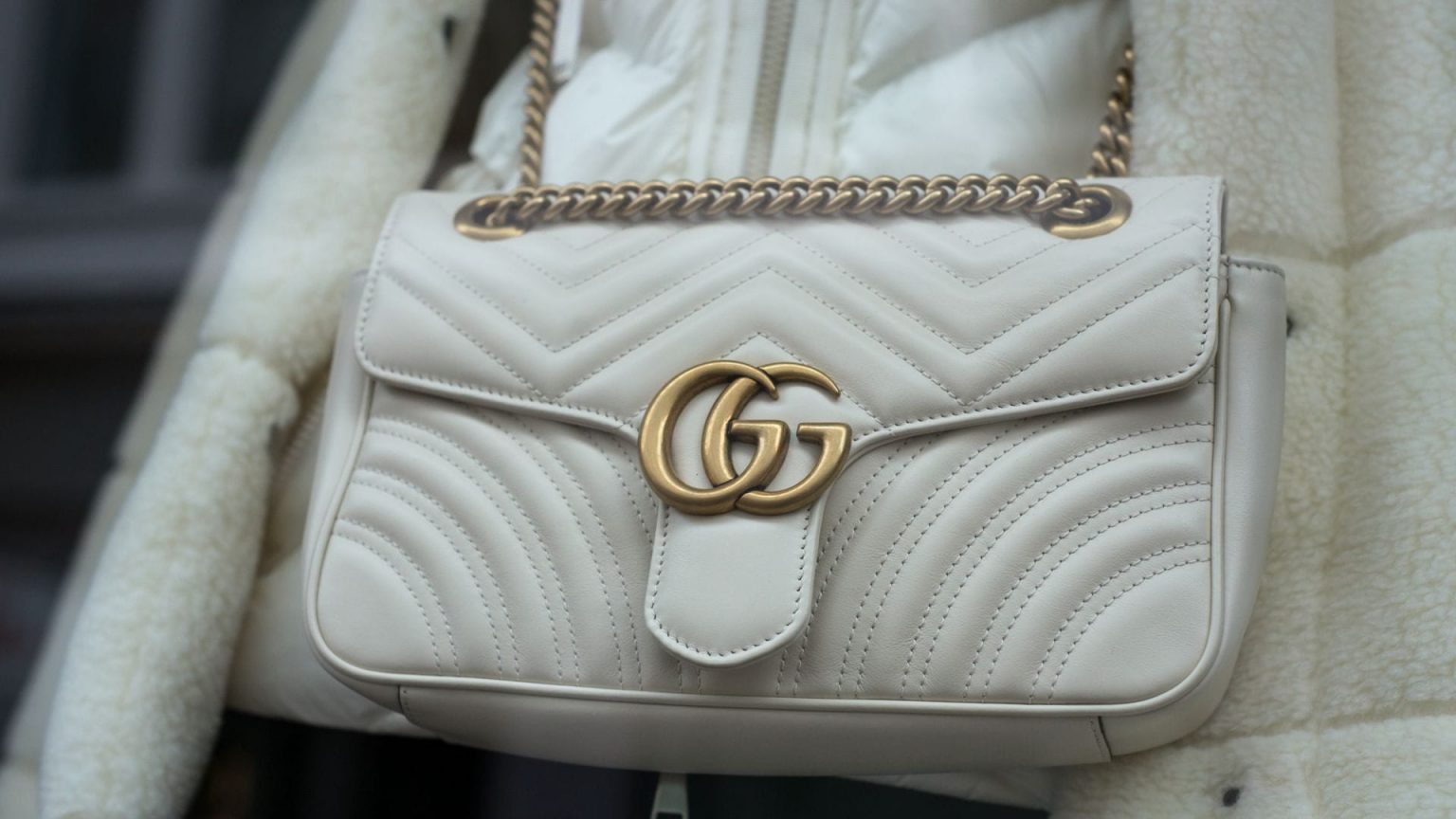
Luxury and fashion recorded a slight recovery in revenues in the first half of 2026, up 0.6% compared with a 12.4% decline in the first half of 2025. Could this be the result of the increased number of extraordinary transactions carried out by private equity funds in the luxury sector in 2025? It is too early to say, but three out of four funds — at least according to their stated intentions — plan to continue investing in fashion and luxury this year. This is the picture emerging from Deloitte’s Global Fashion & Luxury Private Equity and Investors Survey 2026, based on responses from around 50 private equity representatives and 119 companies that together generated approximately $941 billion in revenues in 2025 across the broader luxury market. The sector encompasses not only clothing and accessories, but also watches and jewellery, cosmetics and fragrances, luxury cars, hotels, private jets, cruises, furniture, yachts and restaurants.
Fashion and luxury: a broad-based recovery, but…
The recovery in revenues is relatively evenly distributed: +0.9% for personal luxury goods and +0.4% for other segments, ranging from furniture and hospitality to yachting. In 2025, by contrast, sector sales declined 2.4%, while EBITDA — earnings before interest, taxes, depreciation and amortization — fell 9.5%, weighed down in particular by the luxury automotive sector. Beneath this apparent uniformity, however, the market is becoming increasingly polarised between two distinct types of consumption. On the one hand are experiential segments, such as hospitality, yachts and private jets. On the other are personal luxury goods, which are grappling with a repositioning of demand and growing price pressure. Here, the key structural issue remains profitability. In 2025, the average EBITDA margin fell to 15.5%. Personal luxury goods wiped out all the gains accumulated after the pandemic, settling at 22.9%, down 1.3%, while the other segments remained 3.6 percentage points below 2019 levels. The erosion hit two of the largest sectors by revenue particularly hard: clothing and accessories (-1.3%) and luxury cars (-2.8%). However, four of the nine segments analyzed improved their margins, suggesting that the pressure reflects different competitive and demand dynamics from one segment to another.
Federico Bazzani, Partner at Deloitte Advisory, explains: “In personal luxury goods, only 49% of companies are recording growth, while in experiential segments this share rises to 71%, confirming the gradual shift in consumer demand from products to experiences.”
Private equity interest in luxury and fashion
In 2025, fashion and luxury accounted for 345 M&A transactions, 3.6% more than the 333 recorded in 2024. Personal luxury goods led the way, with 145 transactions (+8.2%), representing 42% of the total. The average transaction value stood at $297 million. Although private capital is gaining ground, industrial players still account for the majority — 59% — of acquisition activity. The remaining 41% is divided between private equity and venture capital (19%), family offices and private investors (12%), and financial services firms (9%). Mid-sized companies are proving particularly attractive, with revenues between $50 million and $250 million accounting for 42% of deals. Valuation multiples are also concentrated in the mid-range, between 5x and 15x EV/EBITDA.
Europe and North America remain investors’ preferred destinations, accounting for 59% and 21% respectively, although investors are increasingly diversifying into markets with greater potential for domestic growth. “The fashion & luxury sector continues to prove highly attractive to investors, with 75% of private equity funds intending to invest in the sector in 2026, confirming renewed investor interest and confidence,” says Elio Milantoni, Senior M&A Partner at Deloitte Advisory. Cosmetics and fragrances are the most attractive segment, while interest in restaurants is also increasing.
What investment structures and strategies are preferred in the luxury sector?
As for investment structures, “majority investments remain the preferred investment approach (73%), despite a growing openness to minority stakes (+9 percentage points vs. 2025).” According to Milantoni, value creation will come primarily from revenue growth, build-up strategies (the so-called buy-and-build approach) and consolidation, as well as international expansion. Michele Gismondi, also a Partner at Deloitte Advisory, notes that in 2025 strategies were driven by consolidation (49%) and control acquisitions, or buyouts (30%). The former were mainly pursued by industrial players, while the latter were favoured by financial investors. Preferences also point to a mixed approach combining luxury brands with complementary sectors. This strategy was chosen by 52% of respondents, compared with 35% focusing exclusively on complementary sectors and 13% investing solely in luxury brands.
Is 2026 already contradicting the trend?
The first half of the current year, however, tells a different story: there were 152 transactions, down 6.2% compared with the same period in 2025. The slowdown was more pronounced in personal luxury goods, where activity fell 19.7%, reducing the segment’s share to 38% of total transactions. In 2025, the active luxury consumer base fell to 330 million, 20 million fewer than the previous year and 15% below 2022 levels. The figure is concerning, but there is a mitigating factor: more than 70% of those who have left the market intend to return. Deloitte therefore views the contraction as cyclical, linked to economic conditions and consumer confidence. The geography of luxury purchases is also changing. Cross-border sales, which previously accounted for around half of the total, are expected to fall below 30% in the coming years, as domestic wealth takes the place of tourism flows as the main driver of demand. The Americas are accelerating, with brands founded in the United States recording 10–15% growth in the first quarter of 2026.
The role of AI in luxury consumption
Around half of luxury consumers use artificial intelligence during the purchasing journey: one in four uses it to discover new products, while two out of three use it to compare them. Consumers also trust these tools roughly twice as much as they trust social media and influencers. The picture is different on the corporate side: around 60% of fashion and luxury companies are still at an early stage of maturity in their adoption of artificial intelligence.
Vintage is gaining popularity
The second-hand market is also gaining momentum. Around half of luxury shoppers consult the pre-owned market before purchasing a new item, while online searches for vintage handbags have more than doubled in a year. Between 2025 and 2027, the second-hand market is expected to grow two to three times faster than the new-goods market, driven by watches, jewellery and leather goods, thanks to their residual value. According to Deloitte’s report, this points to “a structural transformation in the way consumers think about luxury and value.”