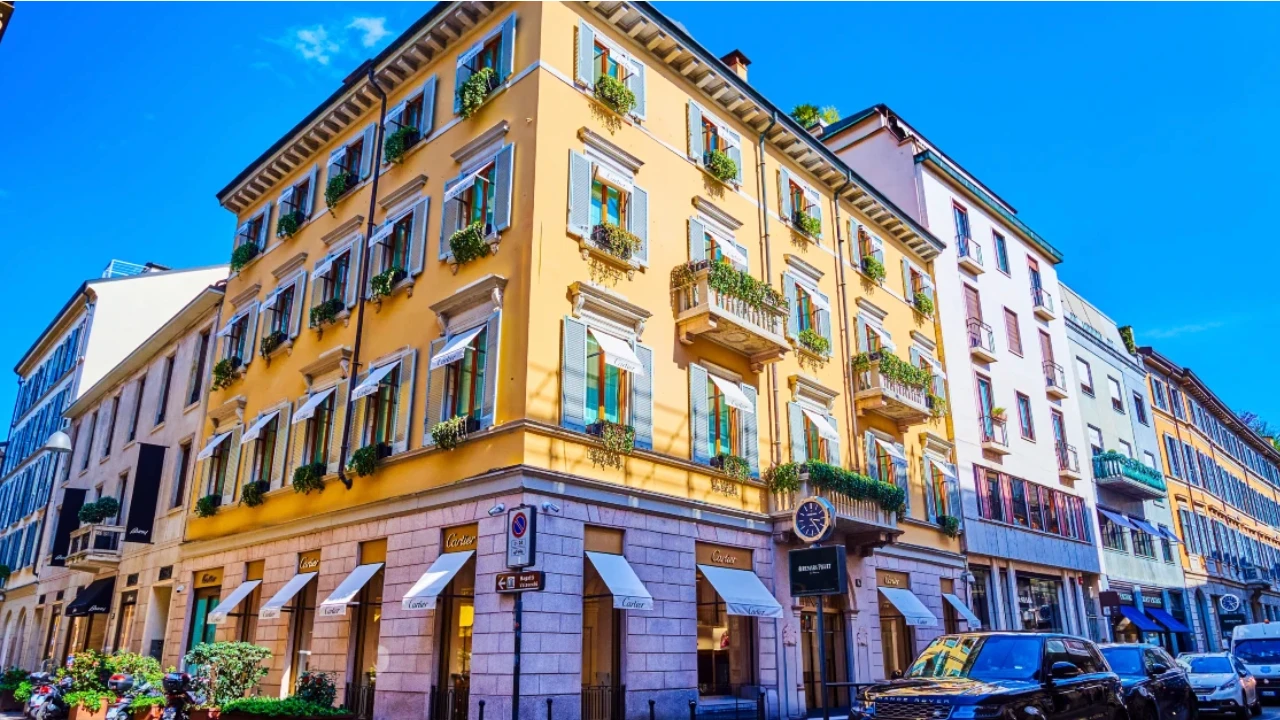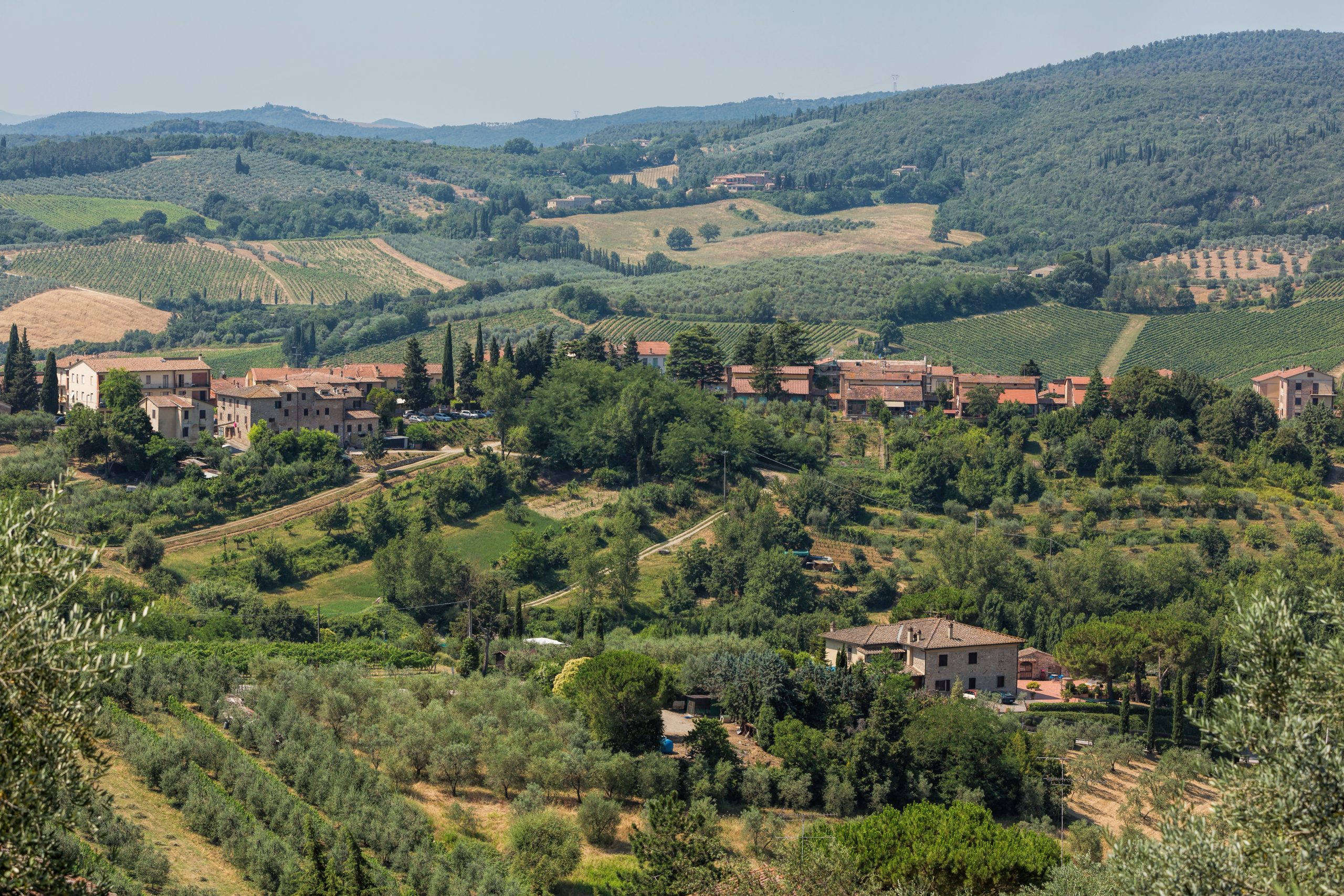

The Tecnocasa group conference paints a positive picture for the Italian property market: house prices are rising and demand is stable. Milan, however, is an exception when it comes to rents, where, for the first time after years of growth, rents are falling.
House prices continue to rise throughout Italy, while there is significant news on the rental front: for the first time after years of increases, rents in Milan are beginning to fall, partly in light of the fact that they had reached unsustainable levels. The rest of the country, on the other hand, continues to see increases, albeit more moderate than in the recent past.
‘The first half of 2025 sees the property market continuing to send out positive signals,’ explained Fabiana Megliola, head of the Tecnocasa group’s research department, during the company’s press conference, “despite the uncertain geopolitical context. The growth in rents in recent years and the fall in interest rates, which has made credit more accessible, have prompted many Italians to buy a home. However, there is still a shortage of supply, especially of quality properties, and a slight decline in investment purchases.”
House prices: rising across Italy, Milan also growing
In the first half of 2025, there were 373,395 residential sales in Italy, up 9.5% compared to the same period in 2024.
Large cities closed with a +2.2% increase in prices; the only exception was Genoa, which recorded a slight decline (-0.5%). Bari leads the ranking with +6.7%, followed by Turin (+3.3%) and Rome (+2%), while Milan stands at a more modest +1.4%, confirming its solidity.
At the provincial level, the increases in Bari (+4.3%), Florence (+2.8%) and Milan (+2.5%) stand out.
The hinterland of large cities also showed vitality (+1.9%), with interesting performances in the municipalities of the first belt of Milan, such as Cinisello Balsamo, Sesto San Giovanni and San Giuliano Milanese, where prices rose above the national average.
Rents in 2025: growth throughout Italy but Milan stands still
In the first half of 2025, rents in large Italian cities rose by 3.1% for studio flats, 2.9% for two-room flats and 3.2% for three-room flats. However, as Megliola points out, “in Milan, for the first time since the pandemic, rents have begun to slow down: they have now reached levels that are difficult to sustain”.
The slowdown in the Milan market contrasts with the increases recorded elsewhere, particularly in Turin and Genoa, where interest from students and migrant workers remains high. In tourist cities, on the other hand, the supply of short-term and short-rent rentals is showing signs of consolidation after the excesses of recent years.
At national level, the growth in temporary contracts is consolidating, reaching almost 29% of the total in 2025, while gross rental yields on two-room flats are rising to 5.8% per annum, confirming the profitability of real estate investment, especially outside large centres where purchase prices remain more affordable.
Who will buy a home in 2025: younger and more single buyers
According to data from the Tecnocasa Research Department, most sales (over 75%) will be for primary residences, while the share of investment purchases will fall to 18% (it was almost 20% in 2024). The holiday home segment stands at 6.6%, a slight decrease.
In Milan, however, the investment component remains high: 30% of transactions, a sign of a city that continues to attract capital, albeit with lower returns than in the past.
Awareness of energy efficiency is growing and the average age of buyers is falling, dropping to 43.1 years in 2025, with a more significant presence of young people and singles (33% of the total).
‘The age of home buyers is falling,’ observes Megliola, ‘partly because many prefer to invest in a mortgage rather than pay high rents, especially in urban centres where the comparison between mortgage payments and rent often favours buying.’
At the same time, the trend of residents of large cities buying homes outside their municipality of residence continues: in 2025, 38.5% of Italians bought in the provinces or hinterland, a percentage that rises to 57.6% for Milanese, attracted by more affordable prices and new housing opportunities.
Outlook for 2025: more sales and prices still on the rise
The forecast for 2025 remains positive: the Tecnocasa Research Department estimates a total of around 750,000 sales by the end of the year and price growth of between +3% and +5%.
Despite economic and geopolitical uncertainty, property continues to represent a safe haven and a choice of stability for Italian families, while the slowdown in Milanese rents marks a possible turning point in the rental market, which has so far been driven by unprecedented demand.