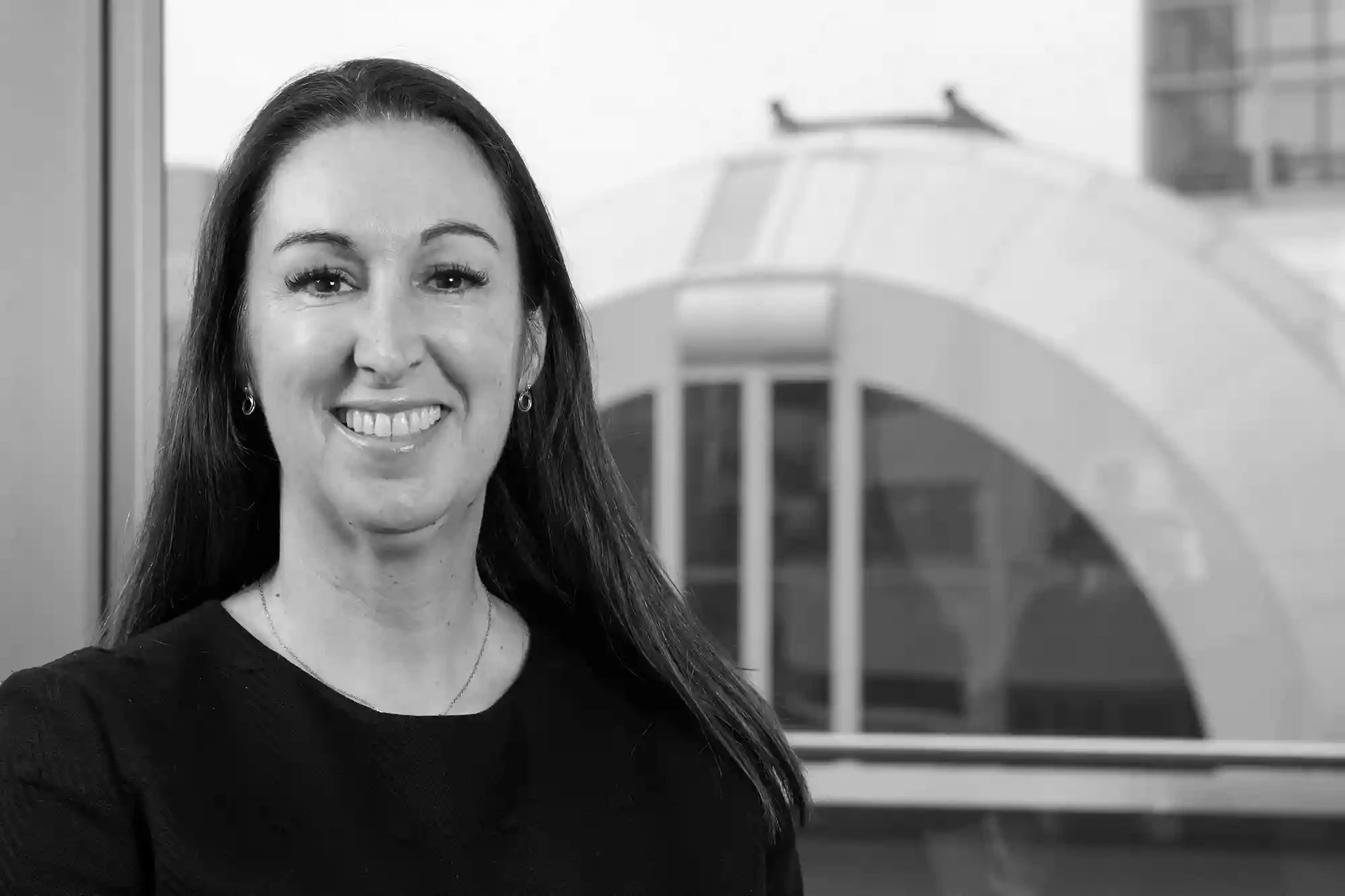

In the United States, educating younger generations about family wealth management begins early, with family offices playing an active role in the process. This is a trend that, in Italy, “is not yet fully established,” says Giorgia Sanchini, Managing Director of AlTi Tiedemann Global for Italy. When it comes to family wealth, the right approach to protecting and enhancing accumulated assets depends on each family’s specific needs. Still, studying the American model — where the first family offices date back to the late 1800s — can offer valuable insights.
“AlTi has provided multi-family office services through its predecessor entities for over 20 years,” explains Erik Christoffersen, Managing Director and Head of U.S. Family Office. “In January 2023, we became AlTi Tiedemann Global, a leading global wealth and alternative asset manager with over $70 billion in assets under management.”
The goal, he continues, was to meet the complex and evolving needs of clients amid a major intergenerational wealth transfer, growing demand for access to alternative investments, and an unprecedented need for trust and personalisation. With more than 400 employees across three continents, AlTi serves around 400 clients in the U.S. alone — including family enterprises, family offices, foundations, and ultra-high-net-worth individuals. Typically, a family office team working alongside a single family consists of four or five professionals, with additional experts brought in as needed.
The Family Office Team
“Clients can rely on specialists in any area — from governance and impact investing to fiduciary and wealth planning,” says Christoffersen. “We work in partnership with them, adopting a holistic and highly personalized approach to wealth management.”
The process begins with an in-depth understanding of each family’s values and priorities. This initial analysis goes beyond financial goals and expected returns to include estate planning, philanthropic objectives, and the dynamics of intergenerational wealth transfer.
“In the U.S., we’re often involved as strategic outsourcing partners,” adds Christoffersen. “We can serve as a coordination hub with other trusted advisors on specific matters. Working with multigenerational families gives us a unique perspective — we see our role through a wide lens, focusing on the family’s long-term well-being.”
As family structures become increasingly international, new challenges emerge. “We leverage our collective experience and cross-border capabilities to help clients navigate these complexities,” he explains.
A Strategic Approach
From a strategic standpoint, AlTi designs portfolios that balance traditional assets (such as equities and bonds) with alternative investments (including private equity, real estate, and hedge funds) to achieve optimal solutions for each family.
“Our multifaceted approach combines long-term strategic vision with tactical agility, aiming not only to preserve wealth but also to grow it,” says Sanchini. “We constantly monitor and adapt to market conditions. The size, experience, resources, and global network of our team allow our clients access to leading managers across public and private markets. Our international presence enables us to seize opportunities across regions and sectors.”
The weight of private markets in client portfolios varies depending on specific goals and needs. “We take into account key factors such as expected returns, risk tolerance, liquidity needs, time horizons, and legal frameworks,” Sanchini explains. “For investors interested in illiquid assets, the average allocation to such investments is around 30% of the total portfolio.”
The Holistic Family Office Model
How does the strategy differ across the Atlantic?
“In our case, the holistic family office model we offer Italian families is the same one we provide to all our clients,” says Sanchini. “As a global firm, our commitment is to deliver the best possible service regardless of geography. However, we have observed some differences.”
As noted earlier, in the United States, educating the next generation about family wealth and preparing them for future management responsibilities is a process that starts early, with the family office playing an active role. In Italy, this practice is not yet as widespread. Moreover, U.S. family offices tend to be more directly involved in supporting philanthropic initiatives, whereas Italian families often see philanthropy as separate from family office services.
“I wouldn’t speak of lessons to be learned from the American model,” Sanchini clarifies, “because the way a family approaches such a sensitive relationship with its family office always depends on individual needs and sensibilities. That said, the tradition of establishing single-family offices and working with multi-family offices like AlTi dates much further back in the U.S. than in Italy. The Italian market is newer and therefore at a different stage of development.”
“With time,” she concludes, “we expect Italian families to become more familiar with this type of partnership model — one that is increasingly viewed as a holistic approach to wealth, extending beyond purely financial considerations.”