

Longevity is a multifaceted concept. In finance, it has become one of the defining structural themes of recent years. It is closely linked to wealth management and can represent both an investment opportunity and a risk for those who need to ensure that their resources will support a potentially longer life.
Beyond finance, longevity takes on a broader meaning, encompassing quality of life, well-being, and personal health. These are essential to living not only longer, but better — whether at 18 or 70.
Demographics are a major driver of the so-called longevity economy. According to United Nations projections, by 2080 the global population aged 65 and over will reach 2.2 billion, outnumbering those under 17. Italy is already well advanced along this path: as of 1 January 2025, people aged 65 and over accounted for 24.7% of the population, according to Istat.
Addressing the consequences of this transformation will require careful, long-term wealth planning. At the same time, personal health cannot be overlooked. Can longevity from a health and financial perspective therefore be seen as two sides of the same coin?
Health and Wealth: Two Forms of Capital to Protect
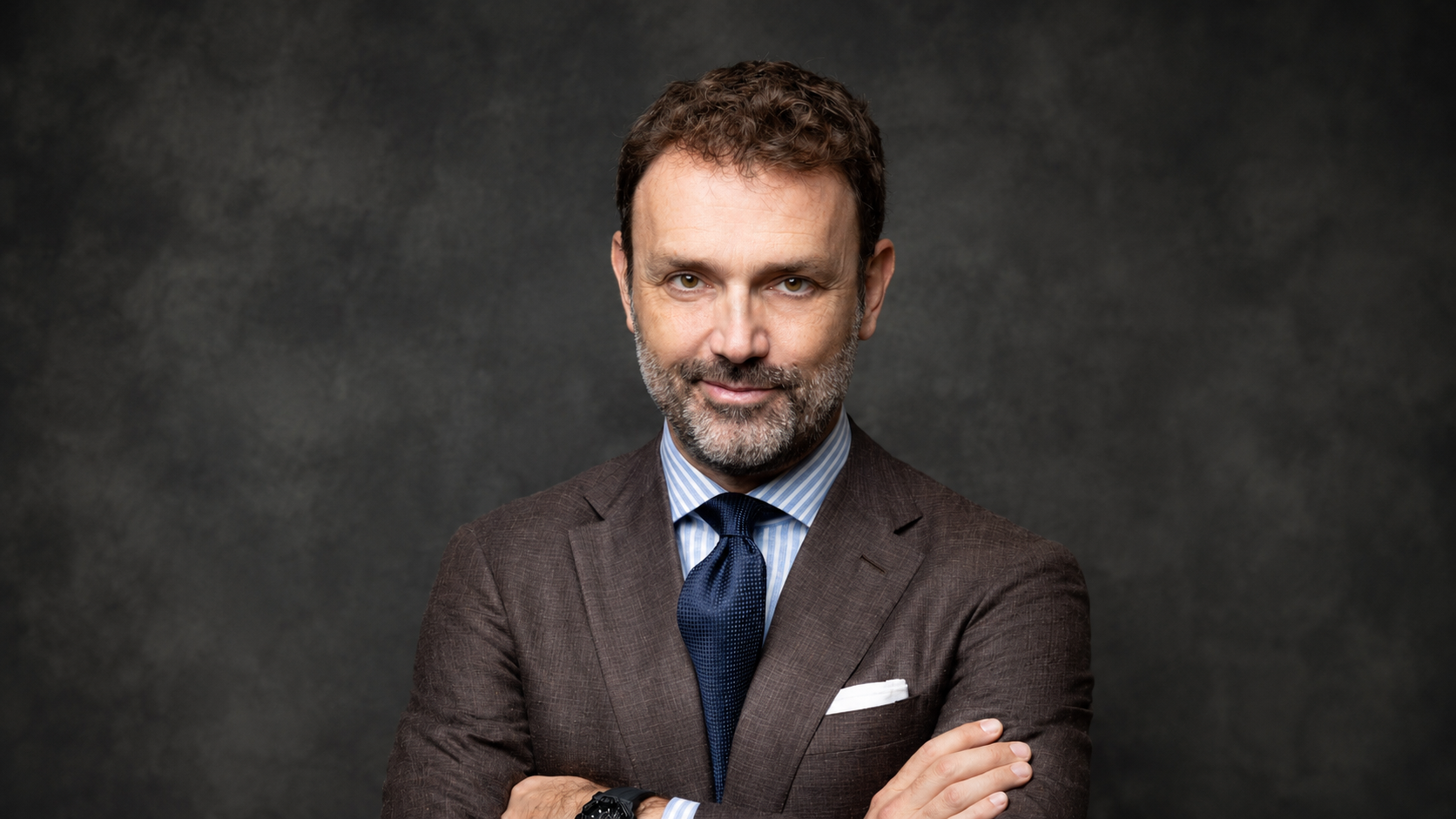
“Absolutely,” says Professor Carlo Tremolada, Scientific Director of Image Regenerative, a Milan-based clinic specialising in regenerative medicine and advanced aesthetic medicine. “Pursuing longevity also requires financial resources. The problem is that intervention often begins only once a condition is already present, rather than through a pathway that starts further upstream, with prevention.”
Nutrition, physical activity and sleep remain the first pillars of this approach. The next step, Tremolada explains, is to select diagnostic tests and possible treatments carefully, based on the needs of the individual, rather than turning prevention into an indiscriminate sequence of examinations and procedures.
Image Regenerative has built its model around tissue regeneration, which the clinic links to preserving the body’s functionality for longer. “It is still a relatively niche field,” says Elena Colombani, CEO and Co-Founder of Image Regenerative. This is where Lipogems® comes in. Developed by Professor Tremolada, the technology processes a patient’s own adipose tissue to obtain a graft for specific clinical applications. Rather than a universal solution for longevity, it is one of the tools used in regenerative medicine, and its use must be assessed according to the individual indication and the available evidence.
Regenerative Medicine: An Evolving Ecosystem
The growing economic interest in health and prevention is also reflected in market data. According to the Financial Times and the Global Wellness Institute, the global wellness economy was worth around $6.3 trillion in 2024 and is projected to reach $9 trillion by 2028. The segment encompassing public health, prevention and personalised medicine alone was valued at approximately $676 billion.
In Europe, the regenerative medicine market is expected to reach around $11.37 billion by 2033, according to Reed Intelligence’s Europe Regenerative Medicine Market Size & Outlook 2025–2033. Cell and gene therapies are among the areas expected to record the strongest growth, with a projected compound annual growth rate of 23.9% through 2034.
Colombani describes regenerative medicine as “a new paradigm in healthcare”. What is still missing, she adds, is greater public understanding and, over time, broader access to treatments that remain relatively little known today.
How Image Regenerative Began
This mission is shared by Professor Tremolada, Colombani and the entire Image Regenerative team. The clinic has consolidated its presence in Milan and recently opened a second location in St. Moritz. Its story began in 2009 with the launch of the first Urban Medi Spa.
“From the outset, we aimed to make balanced and respectful aesthetic medicine more widely accepted — an approach that was not simply about enduring discomfort to change one’s appearance, but about creating a genuine journey of self-care,” Colombani explains.
The underlying principle was to treat wellbeing as a daily process rather than an occasional intervention.
“Our market research revealed two very distinct approaches: on the one hand, people seeking an enjoyable, pain-free, spa-like experience; on the other, those willing to undergo more invasive procedures for an immediate result. What was missing was an offering capable of combining the two, and that was the gap we set out to fill. In 2018, we moved to our current premises. By then, Carlo had developed Lipogems and we needed a more structured facility, including operating rooms. It marked a turning point in a regenerative medicine journey that had begun several years earlier, at a time when the field was still little known and difficult even to define,” she adds.
From Milan to St. Moritz
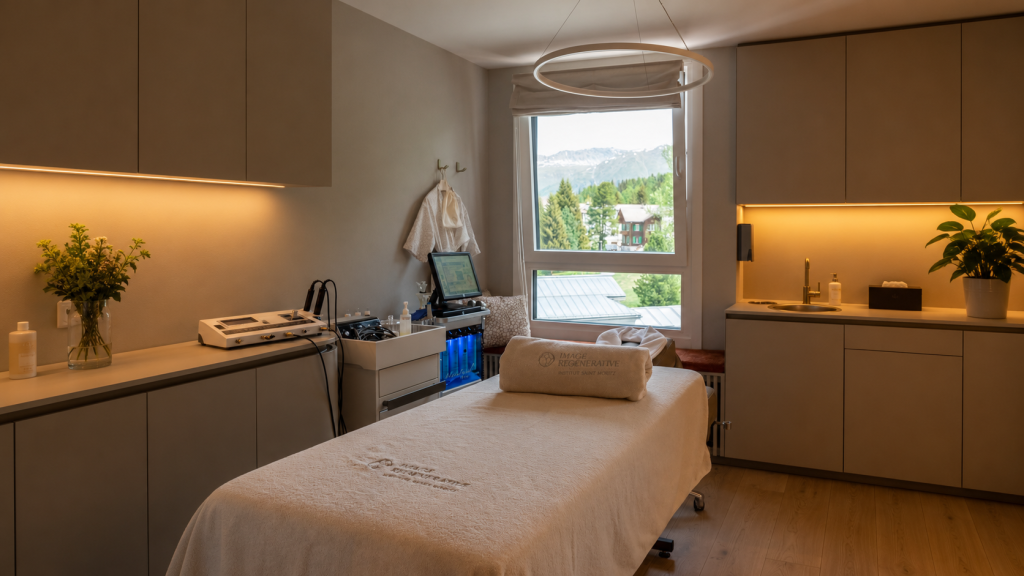
The opening in St. Moritz marks the project’s international expansion. While the Milan clinic is also more strongly geared towards surgical procedures, the Swiss location offers personalised programmes tailored to the length of each patient’s stay and determined following a medical assessment.
“What sets our approach apart is the method. We do not want to offer an endless menu of solutions, but to select what we consider most appropriate, without chasing trends. Continuous research is essential, because protocols must evolve and improve over time,” Tremolada says.
More Measurement, Fewer Fads
Access to reliable information is the first step towards understanding the importance of looking after one’s health. In some cases, this also means relying on specialised professionals with whom to build an ongoing relationship.
We hope that the public will become increasingly well informed about regenerative medicine. This would help people distinguish between what delivers an immediate benefit and what may genuinely matter over the long term.
“I believe we will increasingly move towards measuring the effects of what we do,” Colombani says. “Before proposing a treatment, there should be an assessment, the necessary tests and a clear rationale. Today, we are still used to intervening only when a problem becomes visible: if I feel pain, I treat it; if I see an aesthetic concern, I try to correct it. Prevention requires a change in perspective, because it also means addressing what we cannot yet see or feel. Some interventions do not produce an immediately perceptible effect, but may help improve certain parameters over time. This is why we need genuine health literacy and a new way of thinking about wellbeing. Longevity also depends on the ability to act before a problem becomes apparent.”
The objective should therefore not be to accumulate treatments, supplements or technologies, but to distinguish what may be appropriate for the individual patient from what is largely driven by trends. In this sense, a more selective approach can also help rebalance a longevity narrative that sometimes risks promising outcomes that are difficult to measure.
The Accessibility Challenge
The growing focus on health also raises an economic question. Advanced diagnostics, research and specialist care come at a cost and, at least initially, remain more readily accessible to those with greater financial means.
“More advanced longevity services will initially remain largely the preserve of an affluent minority,” Tremolada says. “But, as with other innovations, gradual democratisation will be possible, although it will take time. There are, however, behaviours that are accessible to everyone, starting with nutrition, physical activity and good sleep. These must be supported by accurate information that gives people the tools to make informed choices.”
The parallel with financial management therefore comes back into focus. Longevity, too, does not depend on a single product or isolated intervention, but on an ongoing process of planning, selection, measurement and review. The difference is that, in this case, the capital being preserved is biological.