
The European private equity market is entering 2026 with renewed momentum, supported by stabilising interest rates and improving financing conditions that helped accelerate dealmaking in late 2025. Investor sentiment strengthened amid monetary easing and improved visibility by the European Central Bank and Bank of England. At the same time, private capital remains crucial for European lower mid-market SMEs, where structural gaps in bank lending and fragmented markets continue to create strong opportunities for PE investment and value creation.
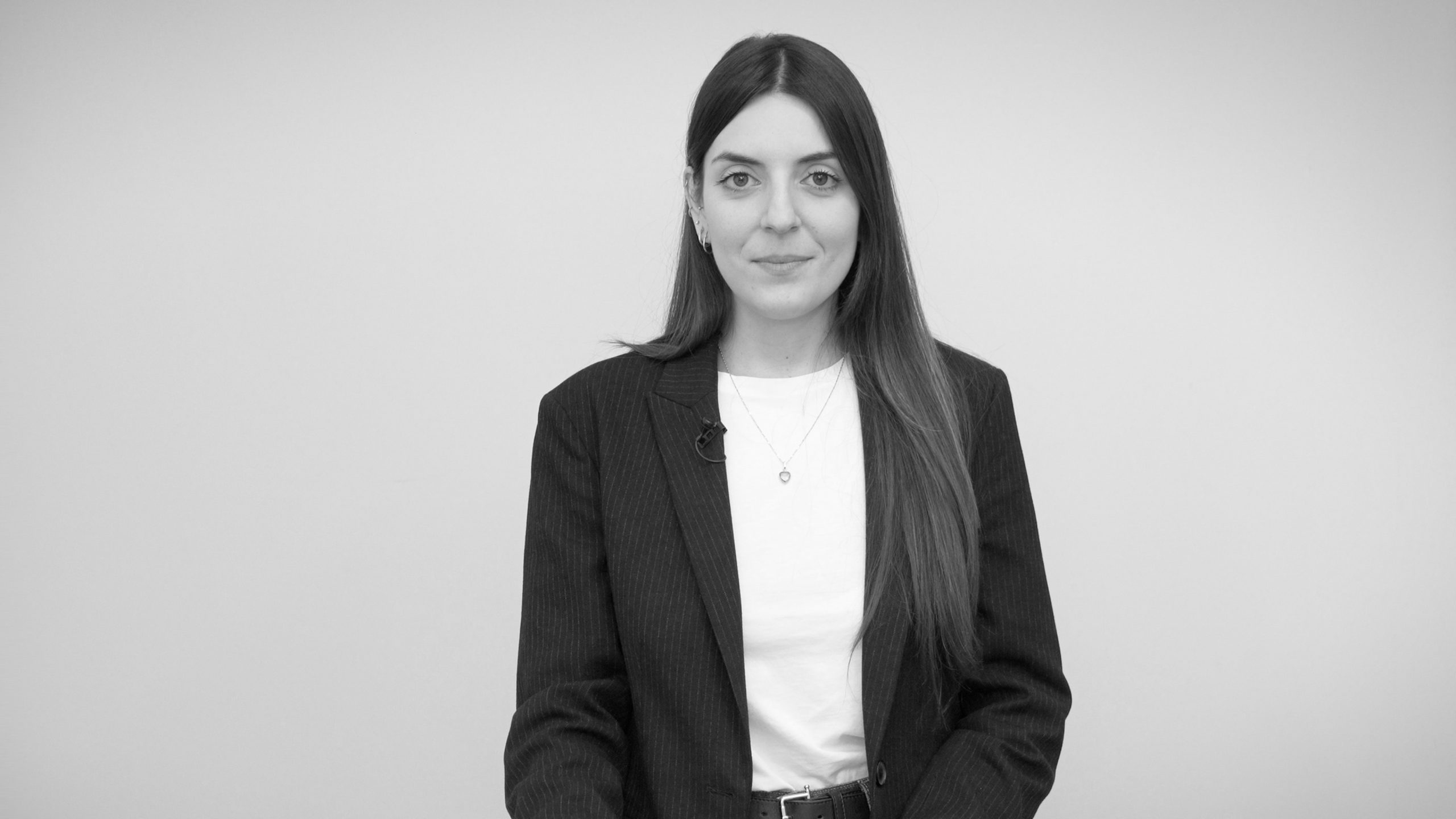
Over the last 20 years, small and mid-cap funds have outperformed their larger counterparties, and it is precisely this segment that Keyhaven Capital Partners is focusing on, as Teddy Mouawad, Partner and Co-head of Investment at the London-based PE fund, told us.
The European mid and lower-mid market: why it remains an opportunity
Since its inception more than 22 years ago, Keyhaven Capital Partners has had a clear objective: to support the most resilient and interesting SMEs in the European lower-mid market, with a completely ‘off-market’ approach, as Teddy Mouawad explains.
“Since our inception, we have invested over €2.3 billion and specialise in supporting niche leaders in the lower-mid market with an enterprise value of up to €250 million. We invest in niche market leaders by collaborating with local and independent sponsors across Western Europe, who are our operating partners on the ground. We always invest through bilateral negotiations, which allows us to avoid competitive bidding processes altogether, ensuring low entry multiples, attractive entry metrics, good downside protection and alignment of interests with both the founding shareholders and the sponsor we work with.”
Keyhaven Capital Partners’ approach
After an initial phase focused on fund of funds, co-investments and secondaries, Keyhaven has progressively adapted its model to new market dynamics. The decisive change of pace came in 2017.
“In 2017, we adapted our position to that of active equity investors who look, with strong conviction, at a range of companies where we can bring more value or generate strong returns. Since then, we have been one of the very first investors in Europe to look at independent sponsors and lower-mid market companies across Europe,” he adds.
“Keyhaven partners with independent sponsors as they provide us differentiated, locally sourced proprietary deal flow, supported by deep sector expertise, and focused engagement on a limited number of transactions. This model complements Keyhaven’s pan‑European platform, enabling disciplined governance, effective control, and structured value‑creation while maintaining the flexibility and insight required to identify and execute high‑quality opportunities in the lower mid‑market”, Mouawad concludes.
Resilience and value creation at the heart of investments
A fragmented and complex market, but one rich in consolidation opportunities: this is where Keyhaven has built its competitive advantage over the years.
“If you look at the data from the last 20 years, the lower-mid market has consistently outperformed large-cap funds. In particular, in recent years, there has been a complete drying up of DPI and exit sales from the M&A market in the large-cap sector. We maintained a steady flow of DPI and exits that do not depend on the IPO market or large debt to acquire our companies.
We focus on operational transformation and not financial engineering. On average, the companies in our portfolio have a net debt to EBITDA ratio of two and a half times at the time of entry. We drive operational improvements with a walk the shop floor mentality, while also targeting M&A, international expansion and revenue diversification. After a typical three to five-year hold, we run a structured auction process to maximise exit value, often benefiting from multiple arbitrage.” Mouawad points out.
European private equity: where opportunities arise
But which companies actually offer the greatest potential today? Mouawad identifies a very specific profile. “Definitely companies that are still owned by their founding families or shareholders and have strong potential for professionalisation. This presupposes the need for a professional partner to help them move to the next level and become international,” he continues.
In addition to focusing on resilient companies that are defensive market leaders and at a turning point in their development cycle, the London-based firm looks closely at certain sectors, chosen on the basis of careful research.
Key sectors for Keyhaven
“We focus on three main sectors. Today, we are investing in B2B businesses in the business services and healthcare sectors. We also have exposure to the manufacturing sector, where we avoid businesses with strong dependence on CAPEX.
We try to identify interesting themes by observing trends in the United States, which will then also arrive in the United Kingdom and Europe. Driving this trend are demographic ageing, growing focus on wellbeing, nearshoring and automation, structural themes that offer replicable opportunities across Europe,” explains Mouawad.
The hidden potential of the Italian lower-mid market
Interest in the pan-European market is one of Keyhaven’s distinctive features. In recent years, it has chosen to focus on the Italian lower-mid market. Here too, fragmentation plays a crucial role in identifying the best opportunities.
“In Italy, we are looking with great interest at numerous manufacturing and B2B service companies.
The country benefits from improving macroeconomic fundamentals, yet its SME landscape remains highly fragmented, making it an attractive market for consolidation and growth. Many businesses are still founder‑led, undercapitalised, or lacking in managerial depth, which creates ideal opportunities for us to partner with founders, invest, and support their next stage of development.
Another important point is the limited confidence that large investors often show toward Southern Europe. This scepticism plays to our advantage: with less competition, we are able to access a very strong pipeline and select from high‑quality opportunities,” explains Mouawad.
“Keyhaven has always had great conviction in the Italian market. We are invested in robust Italian businesses such as Novation Tech and MyFamily, and we have recently completed a new transaction with Augens Capital: SRG Associati, a platform consolidating accounting, tax, and payroll services for SMEs”, Mouawad concludes.
How macroeconomics changes investment strategies
The current macroeconomic landscape, marked by uncertainty, volatility, and geopolitical tensions, has not been a decisive factor in Keyhaven’s investment decisions, as rigorous risk management has always been central to its strategy.
“Our approach focuses on sectors with long‑term tailwinds and strong regulatory support, largely insulated from macroeconomic swings. We avoid businesses exposed to economic volatility or shifting consumer behaviour.
By keeping leverage low, we have been relatively unaffected by higher interest rates. Despite a market slowed by liquidity challenges and fewer exits or IPOs, we continue to see stable M&A activity and remain focused on enhancing portfolio company value. We have also expanded our focus to sectors such as defence, which is benefiting from strong momentum in Europe and globally.
We are avoiding companies heavily reliant on exports and prioritising those with minimal tariff exposure, given current uncertainties,” he notes.
“A recent example aligned with this strategy is Zenix Aerospace, a supplier of mission-critical airframe and engine components to leading aerospace OEMs and Tier‑1 customers.”
The role of private capital in the development of SMEs
According to the latest PitchBook report, private equity activity in Europe accelerated significantly in 2025. Globally, this period proved to be the best of the year in terms of investments, both in terms of aggregate value and number of transactions.
These figures indicate room for growth in the coming months, not only for the PE sector, but more generally for private capital, which will become even more essential for the growth of European SMEs.
“These companies are the backbone of the European economy. However, they often face structural challenges, such as limited access to traditional financing and market fragmentation. With bank lending remaining limited and public markets offering little liquidity, private capital remains the long-term provider needed to finance innovation, international expansion and operational transformation. We believe that the private equity sector will become an increasingly important source of capital for these companies, with our help,” explains Mouawad.
For investment funds such as Keyhaven, this environment provides the perfect opportunity to partner with these companies, acting as a strategic guide to help them achieve their medium-term goals.
AI, sustainability and consolidation: the drivers of the next phase
When looking at future trends, Mouawad highlights that technology (especially AI) will increasingly shape the economy.
“Digitalisation and artificial intelligence are becoming central themes for investors. Many of the SMEs we assess are not yet deeply exposed to these areas, so helping them adopt AI and strengthen their technological capabilities will be a key priority. Our team and Senior Advisers play an important role in guiding them toward these opportunities.
Sustainability and adherence to ESG standards are also gaining importance. More funds are integrating responsibility initiatives into their investment theses, and research shows that European companies with strong ESG practices can achieve a 1.5–1.8x improvement in their EV/EBITDA multiple at exit compared to those that have not invested in these areas.
While technology and AI will be part of our value-creation toolkit, the human element remains our most critical success factor. Over the past 22 years, we have built strong relationships and partnerships across Europe, an asset that is difficult to replicate and highly valued by our LPs. This network creates a meaningful barrier to entry for newcomers,” he concludes.